
Finding a reliable Colace dosage guide is essential for managing occasional constipation without causing unnecessary cramping. As a pharmacist, I often recommend Docusate Sodium (the active ingredient in Colace) because it is a non-stimulant stool softener that makes bowel movements easier to pass by increasing the amount of water the stool absorbs.
Understanding the Different Colace Formulations
Unlike osmotic laxatives like Miralax or fiber supplements like Metamucil, Colace comes in several strengths. It is vital to choose the right one based on your specific needs.
1. Colace Regular Strength & Clear (50mg – 100mg)
These are the standard “stool softeners.” They do not force a bowel movement but make it more comfortable.
- Adults (12+): 50mg to 300mg daily, taken in a single dose or divided.
- Pharmacist Tip: Always take with a full 8oz glass of water to maximize efficacy.
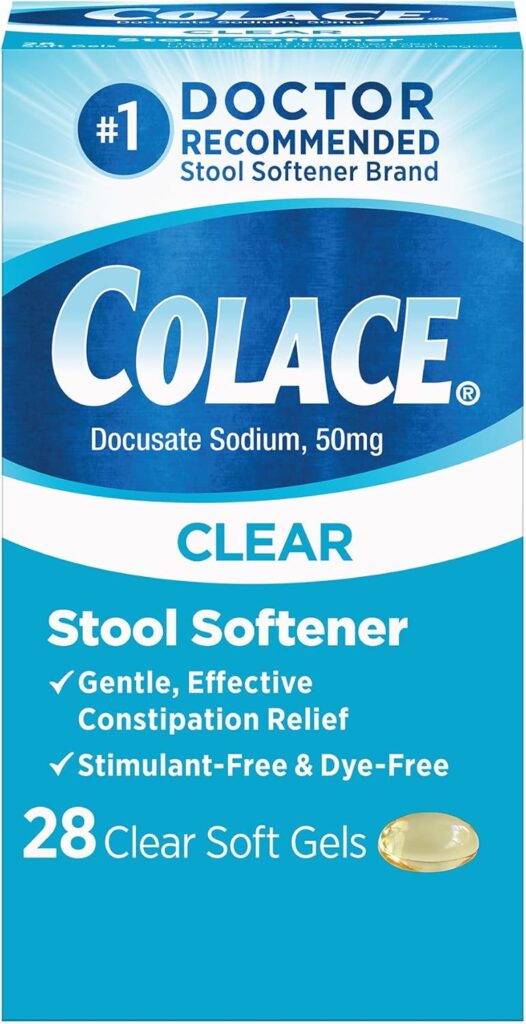
Colace Clear Stool Softener Soft Gel Capsules Constipation Relief 50mg Docusate Sodium Doctor Recommended
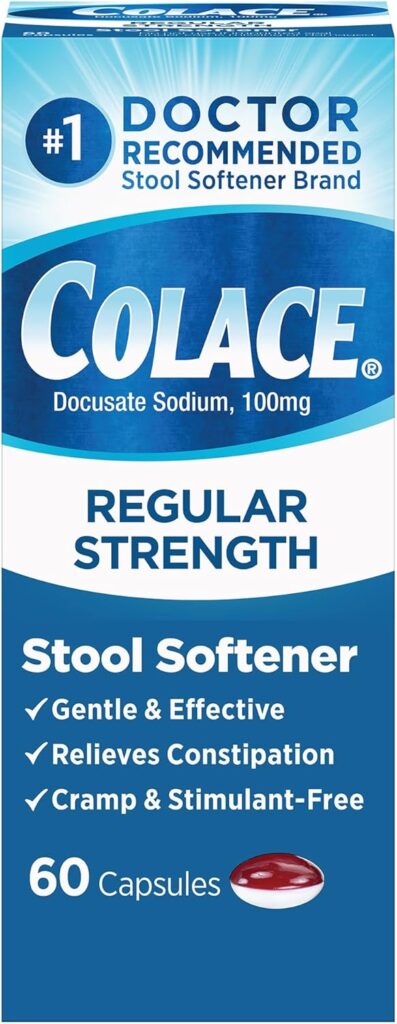
Colace Stool Softener 100 mg, 60 Capsules, Constipation Relief, Docusate Sodium, Gentle Docusate, Stimulant-Free, Regular Strength
2. Colace Extra Strength (250mg)
Designed for more stubborn cases. One capsule usually equals the maximum daily dose for most adults.
- Dosage: 1 capsule daily.
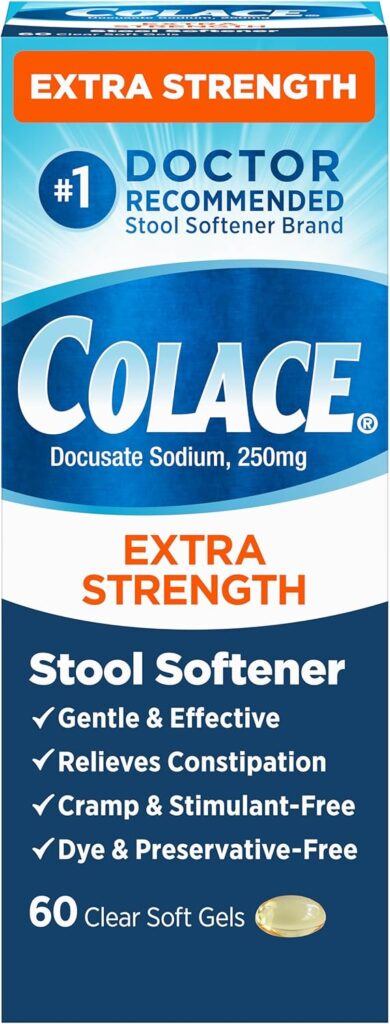
Colace Extra Strength Stool Softener, 60 Count, Gentle Constipation Relief for Adults, 250 mg Docusate Capsules
3. Colace 2-in-1 (Stool Softener + Stimulant Laxative)
This version contains Sennosides. Consequently, it will actively stimulate the intestines to move.
- Dosage: 1-2 tablets per day, preferably at bedtime.
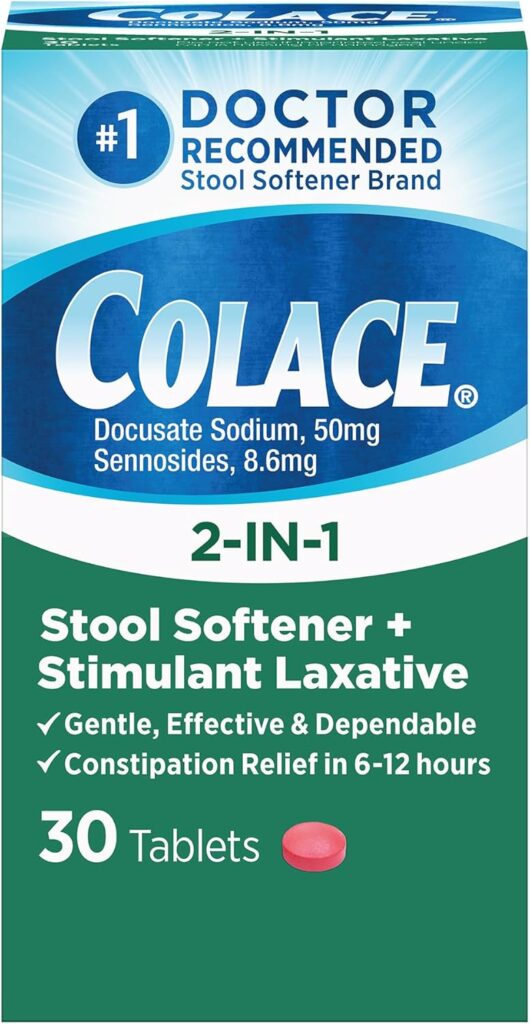
Colace 2-in-1 Stool Softener Plus Stimulant Laxative Tablets, 30 Count, Gentle Constipation Relief
| Product Type | Active Ingredient | Standard Adult Dose | Max Daily Dose |
| Colace Clear/Regular | Docusate Sodium 50-100mg | 100mg once daily | 300mg |
| Colace Extra Strength | Docusate Sodium 250mg | 250mg once daily | 250mg |
| Colace 2-in-1 | Docusate + Senna | 1-2 tablets at night | 4 tablets |
Pediatric Colace Dosage Guide: Kids’ Liquid and Gummies
While Colace Gummies (Magnesium Citrate) are popular, the Colace Pediatric Liquid (Docusate Sodium) is the clinical standard for children under 12. Even if it’s harder to find on Amazon, parents frequently ask for these doses.
| Age Group | Weight Range | Liquid Dose (50mg/15mL) | Frequency |
| Under 2 years | Consult Physician | Consult Physician | – |
| 2 to 6 years | 25-45 lbs | 5 mL – 15 mL | Once daily or divided |
| 6 to 12 years | 45-90 lbs | 15 mL – 45 mL | Once daily or divided |
Colace Gummies (Magnesium Citrate) Dosage
| Age Group | Daily Dosage | Frequency |
| 4 to 5 Years | 1 Gummy | Once daily |
| 6 to 11 Years | 2 Gummies | Once daily |
| 12 Years & Older | 4 Gummies | Once daily |
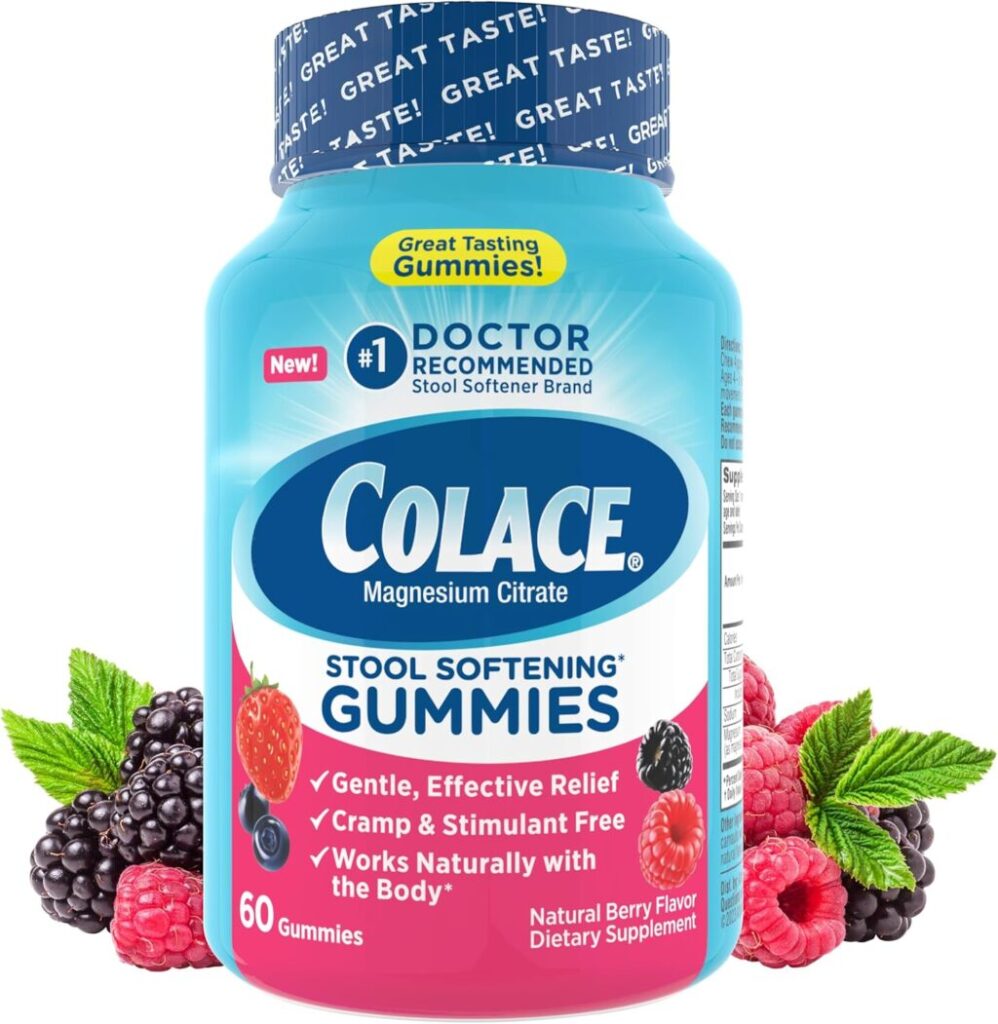
Colace Stool Softener Gummies, Gentle Dependable Constipation Relief Magnesium Citrate Gummies
Synergistic Support for Digestive Health
To maintain long-term regularity, I recommend incorporating these professional-grade supplements alongside your Colace dosage guide protocol:
- THORNE – Magnesium Glycinate: Helps relax the GI tract.
- Garden of Life Dr. Formulated Pre-Pro-Postbiotics: Specifically the “Gas & Bloating” formula to restore gut flora after using laxatives.
Pharmacist Warnings & Interactions
- Mineral Oil: Do not take Colace with mineral oil, as it can increase the absorption of the oil into your system.
- Duration: Do not use for more than 7 consecutive days unless directed by a doctor.
About the Author: Dr. Marco Rollo, PharmD

“As a pharmacist, I see many patients overusing stimulant laxatives. My goal with this Colace dosage guide is to help you use stool softeners correctly to avoid the ‘lazy bowel’ syndrome. Proper hydration and weight-based dosing are key to safety.”