If you feel your legs are heavy, swollen, and aching as soon as the temperature rises, understanding the link between leg pain and circulation is the first step toward relief. As a licensed pharmacist, I see a significant spike in patients struggling with Chronic Venous Insufficiency during the summer, and a clinical approach is essential to restore your lightness.
Why Does Summer Heat Cause Leg Pain and Circulation Issues?
The primary culprit is vasodilation. High temperatures cause your veins to dilate, making it much harder for blood to travel from your feet back to your heart against gravity. This leads to venous stasis (blood pooling) and edema (fluid accumulation in the tissues).
Furthermore, sedentary habits or long periods of standing disable the “calf muscle pump,” while dehydration increases blood viscosity, making circulation even more sluggish.
Key Symptoms to Monitor
- Heaviness: A constant feeling of fatigue in the lower limbs.
- Edema: Swelling, particularly around the ankles and feet.
- Sensation: Dull pain, tingling, or a “burning” feeling.
- Night Cramps: Painful muscle contractions in the calves during sleep.
- Visible Signs: Emergence of small capillaries or varicose veins.
Clinical Solutions for Leg Relief
To contrast these symptoms, we use substances that improve venous tone and capillary resistance:
- Diosmin (Life Extension Youthful Legs): A powerful flavonoid that improves microcirculation and reduces venous stasis. It is the gold standard for reducing capillary fragility.
- Horse Chestnut (Nature’s Way): Contains Aescin, which increases capillary resistance and reduces permeability. It is highly effective at draining excess fluids (anti-edema).
- Leg Creams (MagniLife Relaxing Leg Cream): Topical gels provide immediate cooling relief. Look for ingredients like menthol for vasoconstriction and venotonics to soothe the area.
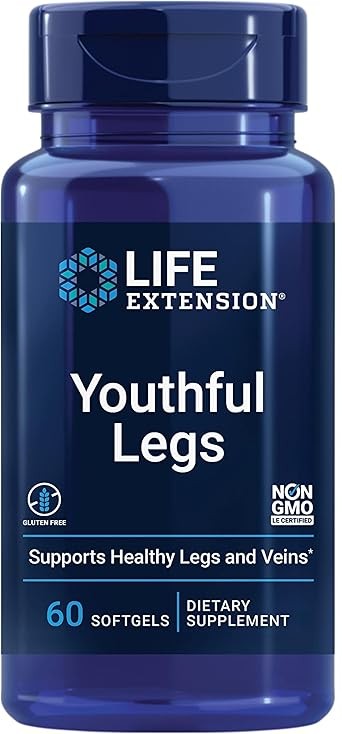
A premium micronized Diosmin formula designed to enhance venous tone and support healthy blood flow. As a pharmacist, I recommend this for strengthening capillary walls and reducing the heavy feeling in the legs.
View on Amazon
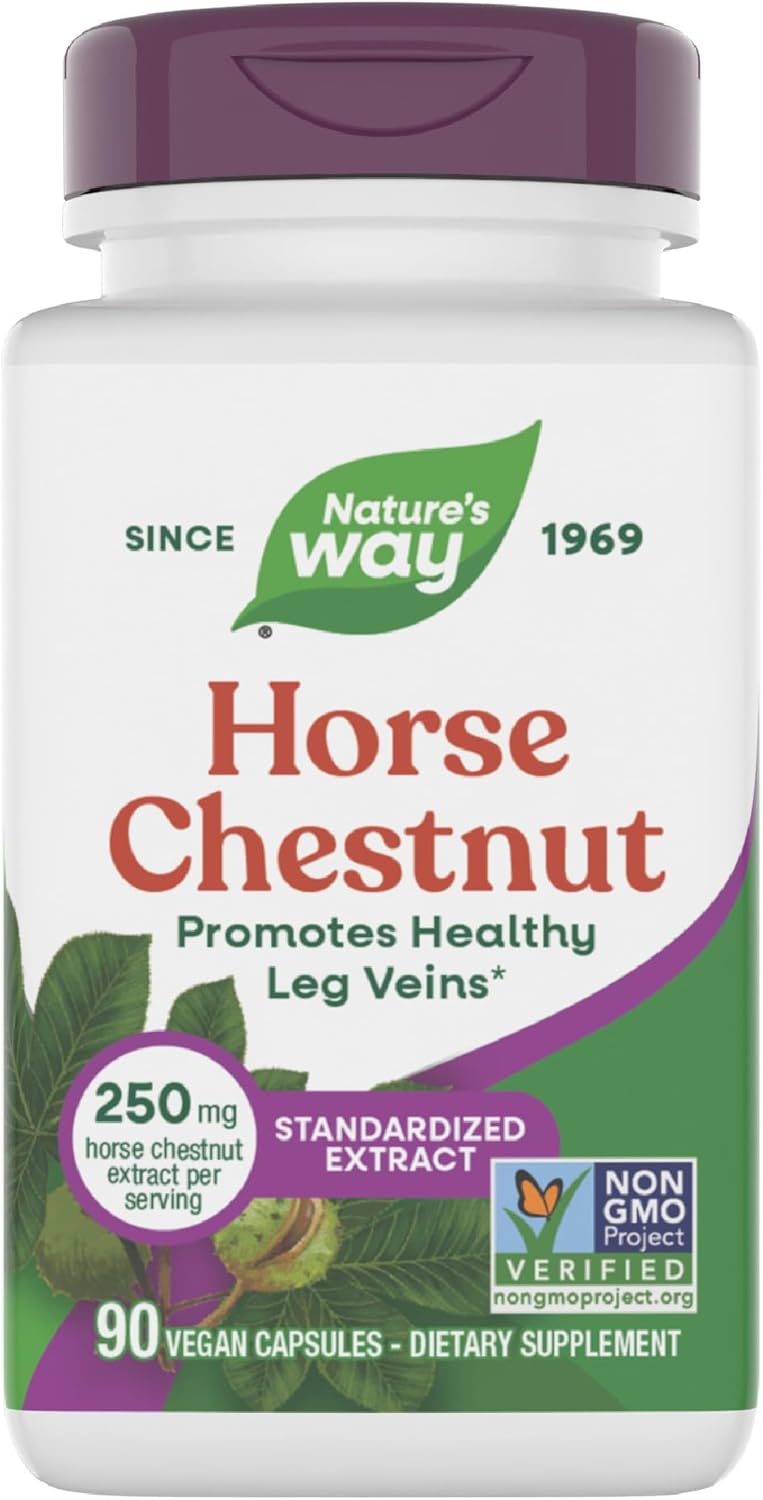
Standardized to 20% Aescin, this extract is clinically recognized for its ability to reduce fluid retention (edema) and improve leg vein health. An essential addition to managing swelling during summer heat.
View on Amazon
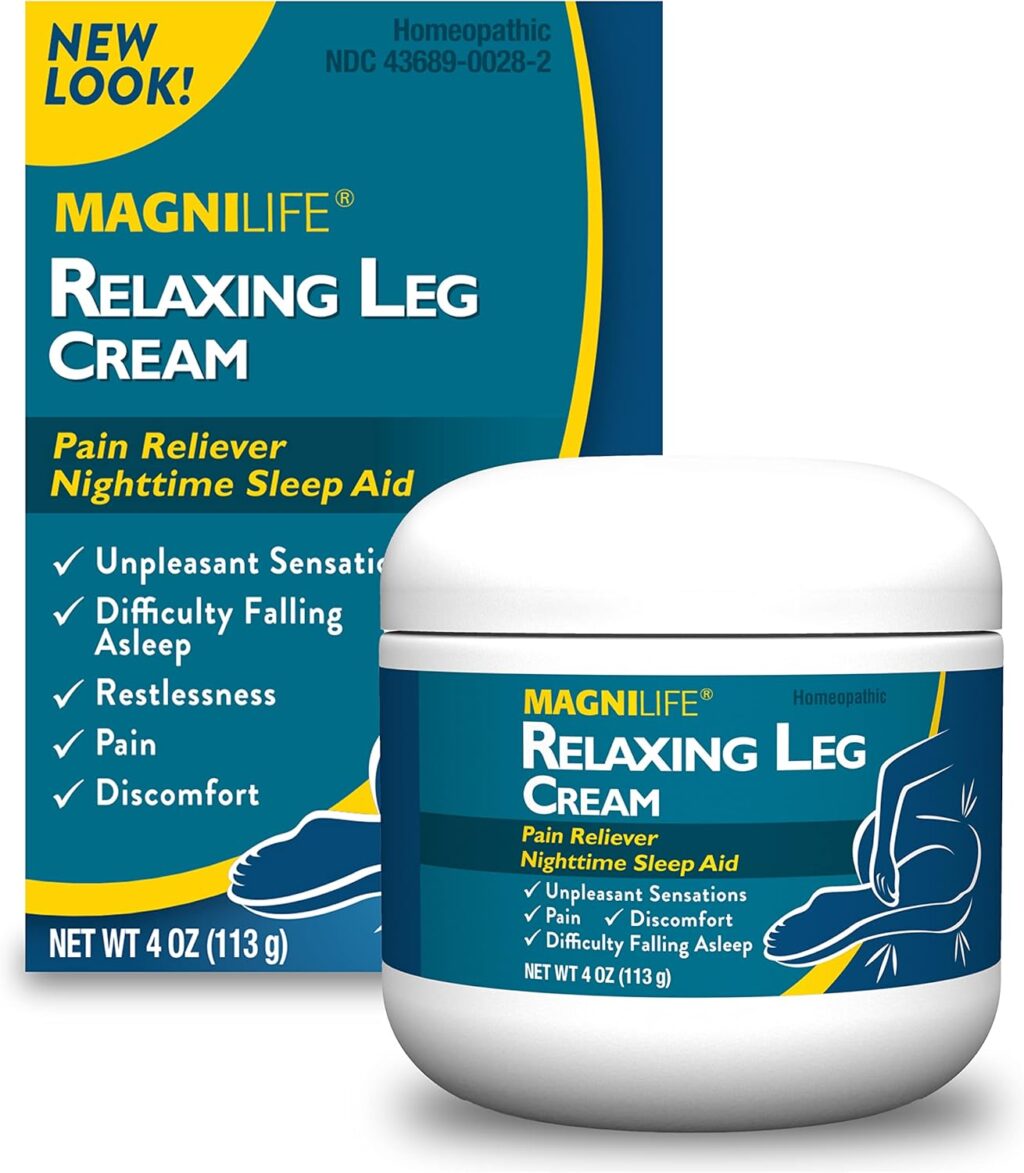
A deep-penetrating topical formula designed to soothe cramping, restlessness, and discomfort instantly. Perfect for nighttime application to calm heavy, tossing legs and improve sleep quality.
View on Amazon
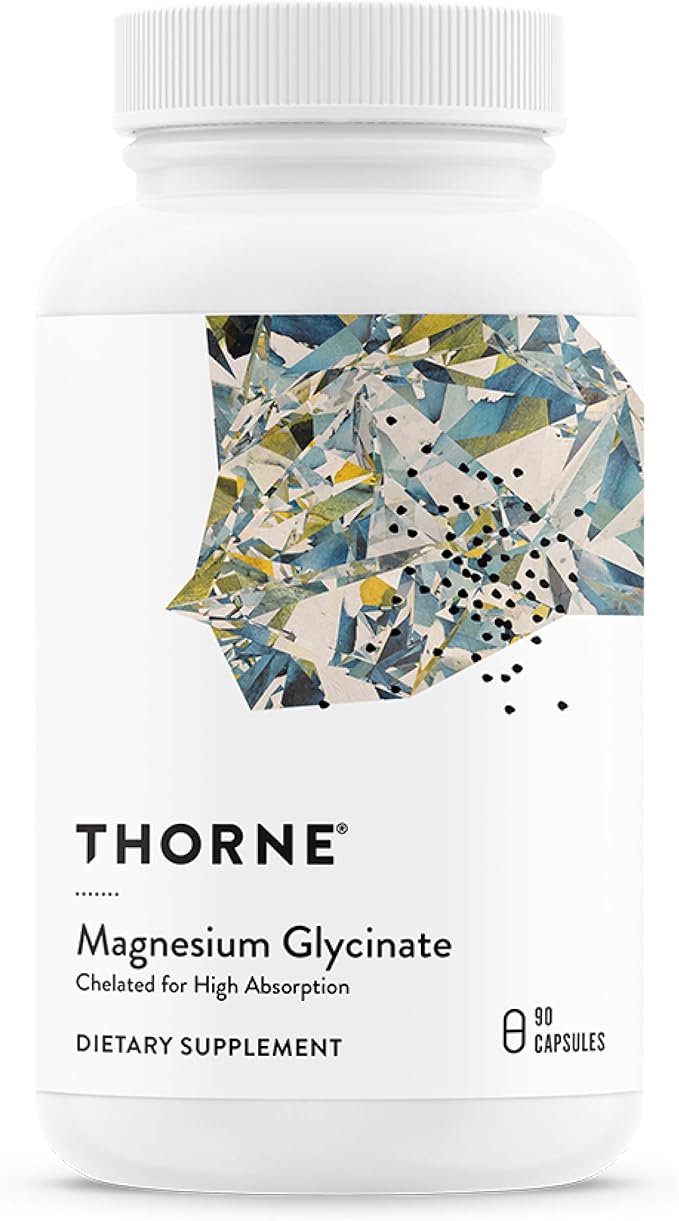
High-bioavailability magnesium glycinate that supports muscle relaxation and prevents calf cramps. This is my top recommendation for patients who experience vascular restlessness during the night.
View on Amazon
Leg Pain and Circulation: Dr. Marco’s “Light Legs” Clinical Protocol
To maximize the benefits of these treatments, timing and synergy are crucial.
| Time of Day | Supplement / Action | Why it works |
| Morning (Breakfast) | Diosmin (Life Extension) | Strengthens vein walls before the day’s heat and gravity take effect. |
| Lunch | Horse Chestnut (Nature’s Way) | Manages peak afternoon vasodilation and reduces fluid buildup. |
| Evening | Magnesium | Prevents night cramps and supports vascular relaxation. |
| Before Bed | MagniLife Leg Cream | Apply with an upward massage (ankle to knee) to stimulate return flow. |
| All-Day Support | Wear 15-20 mmHg Compression Socks | During work hours to provide a mechanical “pump” that assists your veins when you can’t move around. |
Pharmacist Tip: The “Temperature Shock” & Compression Strategy
For optimal results within Dr. Marco’s “Light Legs” Clinical Protocol, I recommend finishing your daily shower with a 60-second cold water rinse on your legs. This stimulates immediate vasoconstriction, forcing the blood to move upward. Additionally, elevate your legs 10 inches above your heart for 15 minutes every evening to help gravity move the blood back to your heart.
The Role of Compression Therapy
In more painful cases, or for those who spend many hours standing (like healthcare workers or retail staff), compression stockings are a non-negotiable medical aid.
Recommendation: For standard summer swelling, a compression level of 15-20 mmHg is usually sufficient to reduce edema and prevent spider veins without being overly restrictive.
How they work: By applying graduated pressure (measured in mmHg), these stockings are tightest at the ankle and gradually loosen up the leg.
The Benefit: This mechanical pressure squeezes the vein walls, helping the valves function correctly and preventing blood from pooling downward.
Specialized Support: Menopause & Neuropathy
Leg pain and circulation issues are particularly common during menopause due to hormonal shifts that affect vascular elasticity. If you are in this phase of life, the addition of Magnesium is vital. Follow my full article on the benefits of Magnesium in Menopause.
Furthermore, if your leg pain is characterized by “electric shocks” or burning sensations, it may be related to nerve inflammation rather than just blood flow. In these cases, I suggest adding a micronized PEA supplement to your routine. Follow my clinical guide to PEA 600 for nerve pain relief.
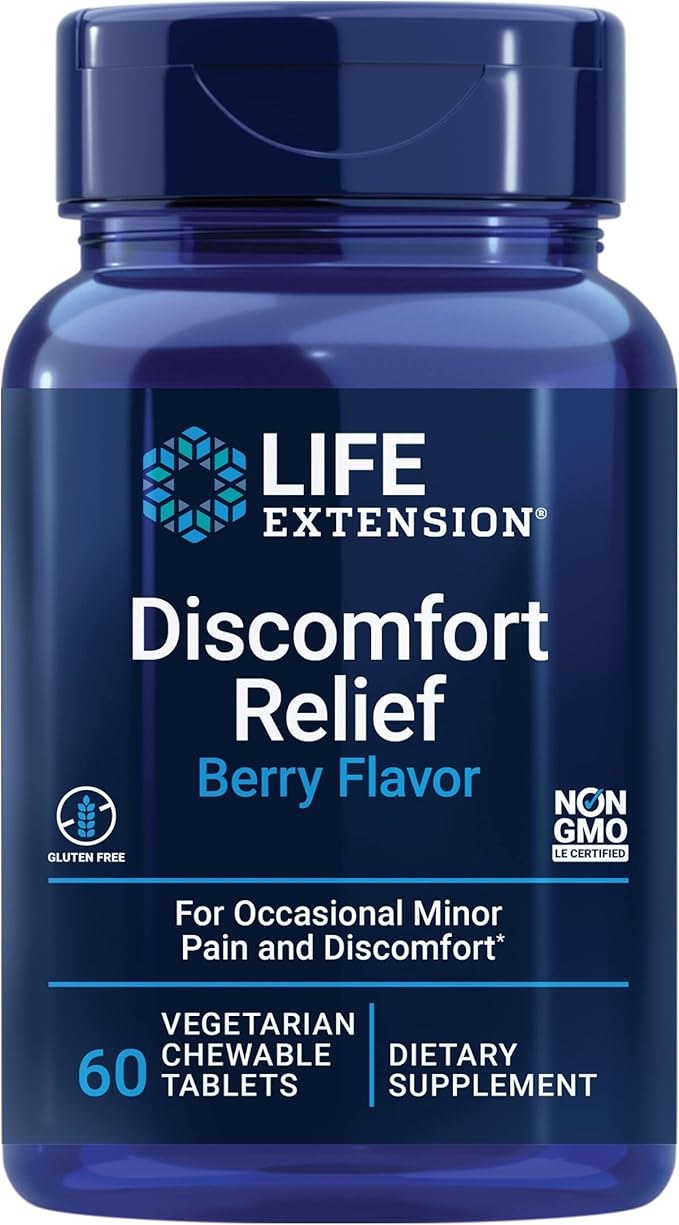
A specialized fatty acid supplement that inhibits inflammation and supports nerve comfort. Palmitoylethanolamide (PEA) is clinically studied for its ability to reduce minor pain and discomfort by balancing the inflammatory response. These 60 chewable tablets offer a high-bioavailability protocol for systemic relief.
View on Amazon
About the Author: Dr. Marco Rollo, PharmD
I am a licensed pharmacist dedicated to bridging the gap between traditional pharmacology and integrative medicine. My goal is to provide evidence-based protocols that help Americans navigate the complexities of leg pain and circulation safely and effectively.