
If you frequently suffer from mysterious headaches, sudden skin flushing, or digestive distress after a seemingly healthy meal, you aren’t “crazy”—you likely have Histamine Intolerance. Unlike a classic food allergy, which is an immediate immune response, histamine intolerance is a cumulative issue. Imagine your body as a “bucket”: you can handle a little histamine, but once the bucket overflows, the symptoms hit hard.
As a pharmacist, I see hundreds of patients who test negative for allergies but continue to suffer. Specifically, the root cause is often a deficiency in Diamine Oxidase (DAO), the enzyme responsible for clearing histamine from your system. Consequently, without enough DAO, histamine enters your bloodstream, mimicking an allergic reaction.
What is Histamine and Why is it High?
Histamine is a biogenic amine involved in your immune system, digestion, and central nervous system. It’s not “bad”—it’s essential. However, levels can skyrocket due to:
- Endogenous Production: Your body releases it during seasonal allergies or stress.
- Exogenous Intake: Eating foods where histamine has developed due to fermentation or aging.
- DAO Blockers: Certain medications and alcohol block the very enzyme you need to stay healthy.
What Causes DAO Deficiency? Understanding the Root Problem
If your “histamine bucket” is constantly overflowing, it’s usually because your production of the Diamine Oxidase (DAO) enzyme is compromised. As a pharmacist, I often explain to my patients that DAO deficiency isn’t just genetic; it is frequently acquired due to lifestyle and gut health issues. Specifically, the most common factors that decrease DAO activity include:
- Gut Inflammation: Since DAO is produced in the intestinal lining, conditions like SIBO (Small Intestinal Bacterial Overgrowth), Leaky Gut, or Celiac disease can physically damage the cells that create the enzyme.
- Alcohol Consumption: Alcohol is a “double threat.” It is high in histamine and specifically acts as a potent inhibitor of the DAO enzyme, preventing it from working.
- Medication Interference: Common drugs like NSAIDs (Ibuprofen, Aspirin), certain antidepressants, and even some heart medications can temporarily “switch off” your DAO production.
- Genetic Factors: Some individuals are born with a lower natural capacity to produce the enzyme (polymorphisms in the AOC1 gene).
Pharmacist Tip: If you are taking high doses of Vitamin C or B6, you are already helping your body, as these nutrients are essential co-factors that help the DAO enzyme stay active and functional.
The “Histamine Safety” Food List
The most effective way to lower your levels is a low-histamine diet. Not all “healthy” foods are safe during a flare-up.
🔴 High-Histamine (The “Bucket Fillers”)
- Aged & Fermented: Hard cheeses (Parmesan, Cheddar), sauerkraut, kimchi, soy sauce, and vinegar.
- Processed Meats: Salami, pepperoni, bacon, and canned meats.
- Seafood: Canned fish (tuna, sardines) and fish not gutted immediately after catch (Scombroid poisoning risk).
- Vegetables: Spinach, tomatoes (especially canned/ketchup), and eggplant.
🟡 Histamine Liberators (Foods that trigger release)
- Citrus fruits (lemon, orange), strawberries, papaya, kiwi, chocolate/cocoa, and egg whites.
🟢 Low-Histamine (The Safe Zone)
- Freshly slaughtered meat and poultry, fresh-caught fish, gluten-free grains (rice, quinoa), and fresh vegetables (except the ones above).
Histamine Intolerance: The Pharmacist’s Recovery Kit
To manage chronic intolerance, you need to stabilize your mast cells and replenish your enzymes. Here are the professional-grade solutions I recommend.
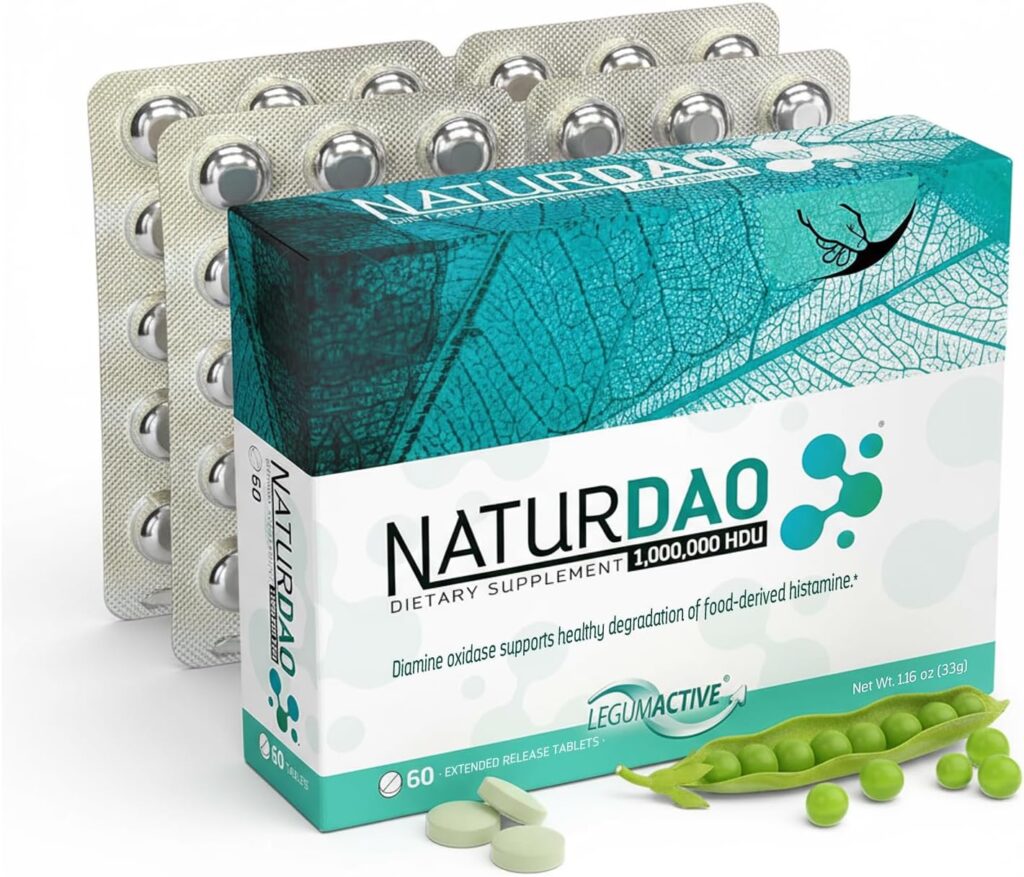
This is the most potent plant-based DAO enzyme available. Specifically, it provides 1,000,000 HDU to break down food-derived histamine in the gut. I recommend this as a primary tool for those with food intolerances to prevent flare-ups.
View on Amazon
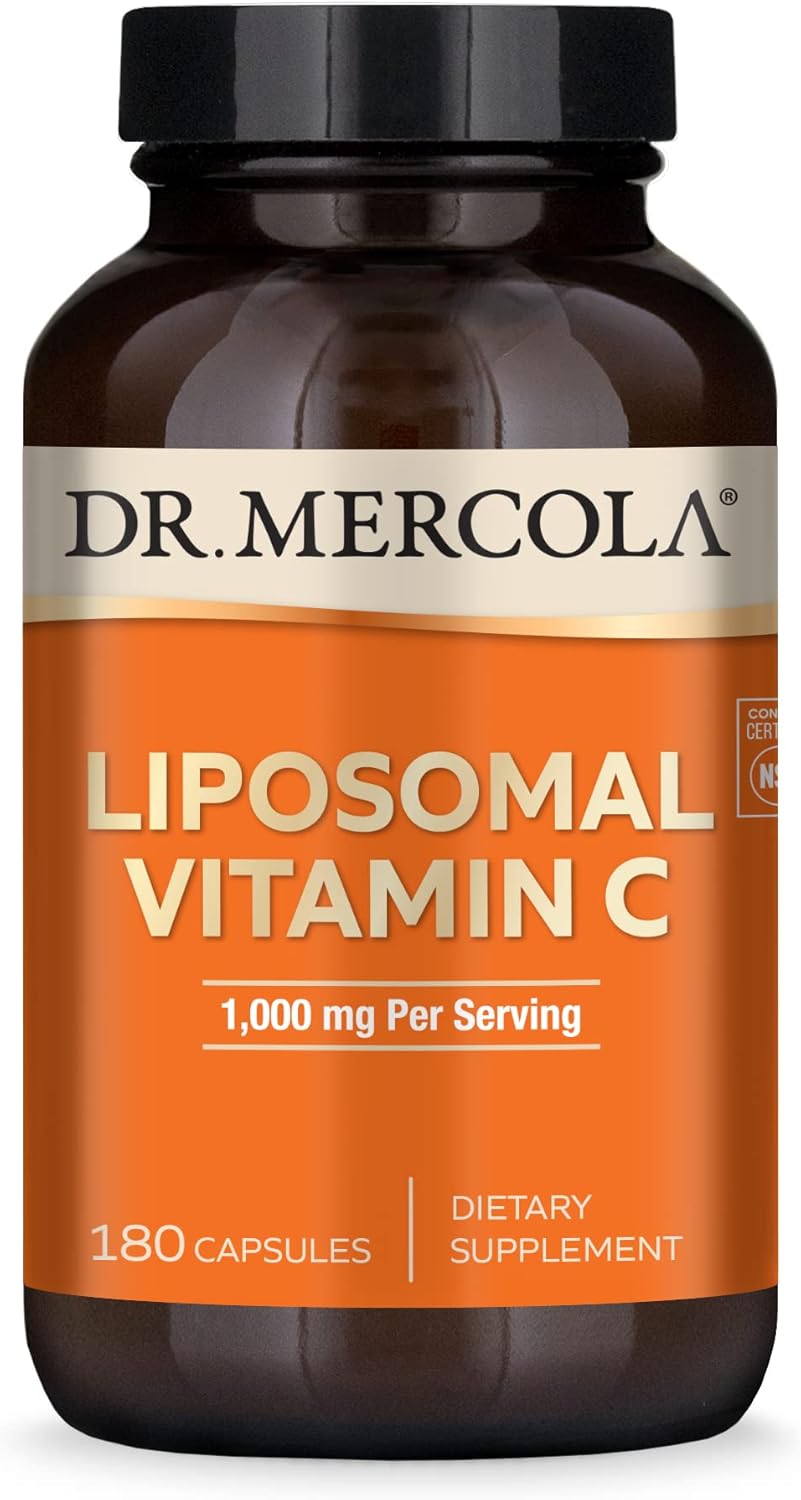
Vitamin C is a natural antihistamine that helps degrade histamine molecules in the blood. The liposomal technology used by Dr. Mercola ensures superior absorption and is much gentler on the stomach than traditional ascorbic acid.
View on Amazon
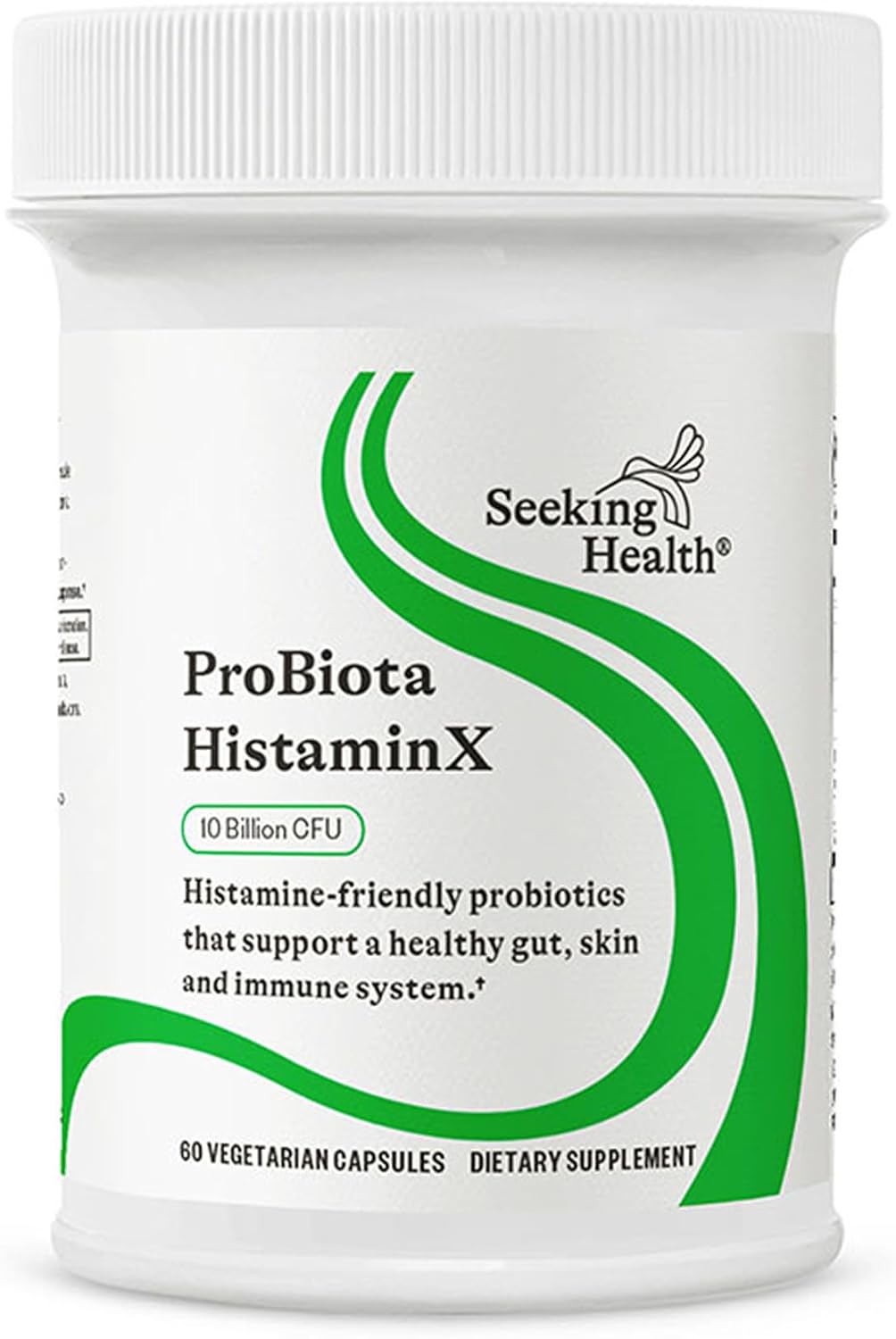
Crucial for gut recovery. Unlike standard probiotics that can trigger histamine release, HistaminX is specially formulated with strains that support gut health without adding to your histamine load. Perfect for sensitive individuals.
View on Amazon
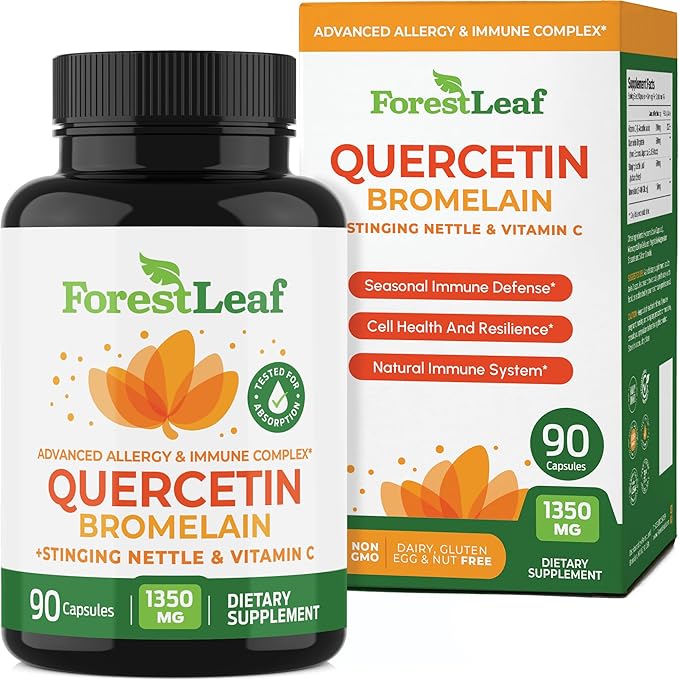
A natural powerhouse for histamine support. Quercetin acts as a mast-cell stabilizer, while Bromelain helps reduce sinus swelling, making it a perfect holistic addition to your allergy routine.
View on Amazon
Acute Flare-Ups: The Pharmacist’s “Double Block” Protocol
If you have already consumed high-histamine food and symptoms are appearing, you need a pharmaceutical intervention to block receptors.
- H1 Receptors (Skin & Lungs): Use an antihistamine like Benadryl (Diphenhydramine) to stop itching and sneezing.
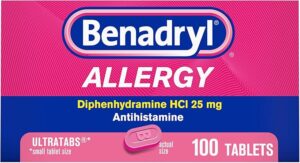
For acute histamine flare-ups (itching, hives, or flushing), Benadryl remains the first-line H1 blocker. It works quickly to neutralize the immediate effects of a “full bucket.” Use only as needed for rescue relief.
View on Amazon
- H2 Receptors (Stomach & Heart): This is the “hidden trick” pharmacists use. Pepcid (Famotidine) blocks the H2 histamine receptors in the stomach. This is why it works for both acid reflux and histamine-induced bloating or heart palpitations.
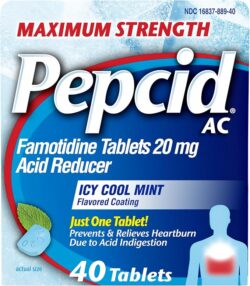
Famotidine is a powerful H2 blocker. While typically used for heartburn, it is a crucial clinical tool for histamine intolerance as it blocks the H2 receptors in the stomach. This helps alleviate histamine-induced bloating, nausea, and abdominal discomfort.
View on Amazon
The Histamine Intolerance Mastery Protocol
| Step | Medication/Supplement | Purpose | Timing |
| 1. Maintenance | Quercetin + Vitamin C | Stabilize mast cells | Once daily (Morning) |
| 2. Prevention | NaturDAO Enzyme | Pre-digest food histamine | 20 min BEFORE meals |
| 3. Flora Support | ProBiota HistaminX | Restore gut without triggers | Before bed |
| 4. Acute Attack | Benadryl + Pepcid | Immediate receptor block | Only during flare-up |
Conclusion: Histamine and Motion Sickness
A fascinating clinical fact: Histamine is also involved in motion sickness (Cinetosi). Histaminergic neurons activate the vomiting center in the brain when the vestibular system (balance) is disturbed. This is why antihistamines are the primary treatment for car and sea sickness.
If your symptoms are intense or result in a drop in blood pressure, seek medical attention immediately. For chronic management, follow this protocol and “empty your bucket” one step at a time.
About the Author: Dr. Marco Rollo, PharmD

I am Dr. Marco, a Licensed Pharmacist. I created this Histamine Intolerance protocol to provide a clear, science-backed roadmap for those struggling with mysterious food reactions. My goal is to ensure you use professional-grade solutions to restore your digestive and immune health.