
Choosing between Tylenol vs Advil for fever and pain can be confusing for many families. As a licensed pharmacist, I want to clarify how these medications work and when to use them. This guide on Tylenol vs Advil for fever and pain will help you understand the risks of liver and kidney toxicity while prioritizing prevention over medication
How to choose Tylenol vs Advil for fever and pain
| Feature | Tylenol (Acetaminophen) | Advil/Motrin (Ibuprofen) |
| Primary Action | Fever reducer & Pain reliever | Pain, Fever & Anti-inflammatory |
| Best For | Headaches, mild fever, pregnancy | Earaches, toothaches, joint pain, swelling |
| Stomach Impact | Gentle, can be taken on empty stomach | Can irritate; must be taken with food |
| Organ Risk | Liver (Hepatotoxicity if overdosed) | Kidneys & Stomach (Gastritis/Ulcers) |
When to Use Tylenol vs Advil for Fever and Pain
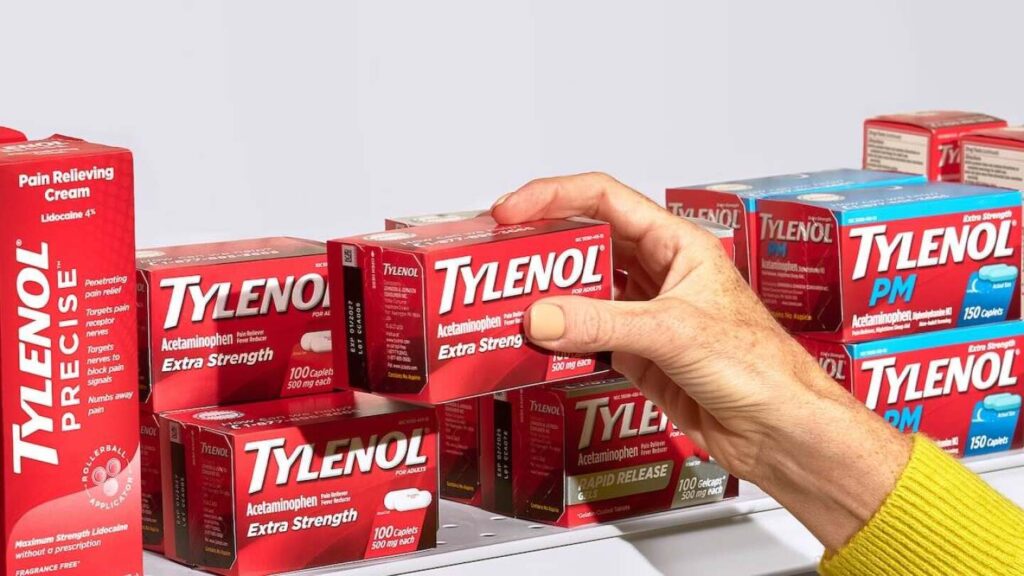
Tylenol Extra Strength Pain Relief Pills, Fast, Strong Pain Relief, Acetaminophen 500 mg Caplets, Pain Reliever & Fever Reducer, 100 Count
- Tylenol (Acetaminophen) is primarily used as a potent antipyretic to lower high fevers. While it is also a pain reliever, it is best suited for mild discomfort. For intense pain or inflammation, Advil (Ibuprofen) provides a stronger analgesic effect.
- Fever: Tylenol is usually the first choice. Use it for fevers that cause discomfort.
- Inflammation: For an earache, sprain, or dental pain, Advil is superior because it actively reduces swelling.
- Persistence: If a fever is “stubborn” and won’t drop with Tylenol, Advil is often more effective due to its longer duration (up to 8 hours).
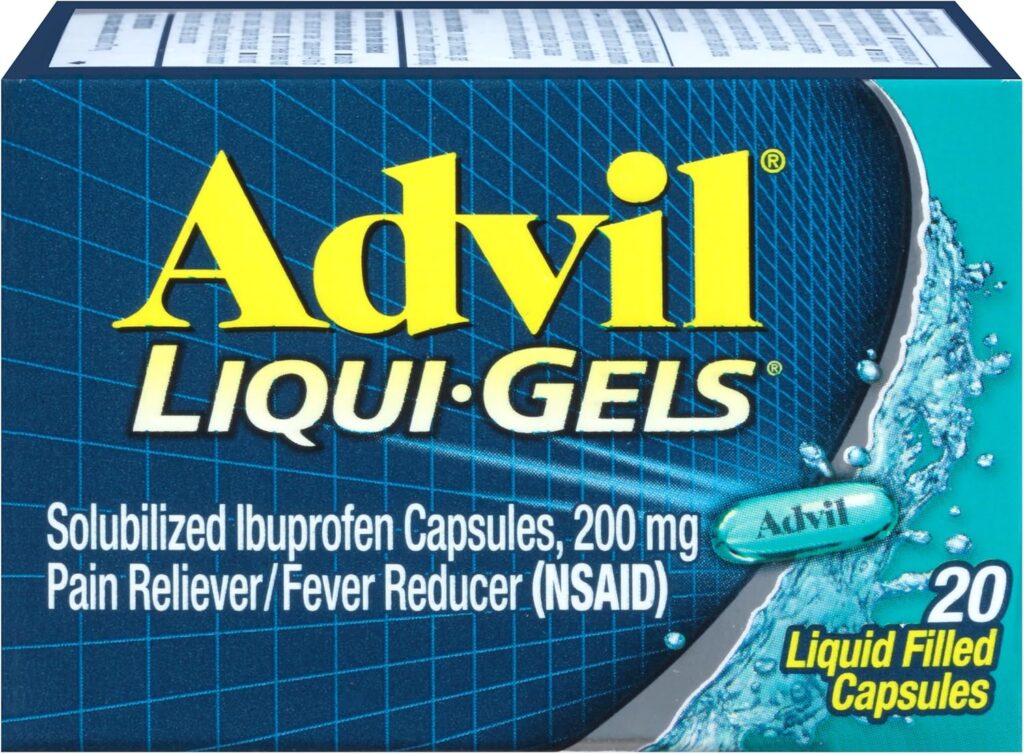
Advil Liqui-Gels Pain Reliever and Fever Reducer, with Ibuprofen 200mg 50×2 Liquid Filled Capsules
The Danger of Abuse: Toxicity and Side Effects
Medications should only be used when extremely necessary. Do not reach for these for a mild cold, a slight cough, or a low-grade fever (under 100.4°F or 38°C).
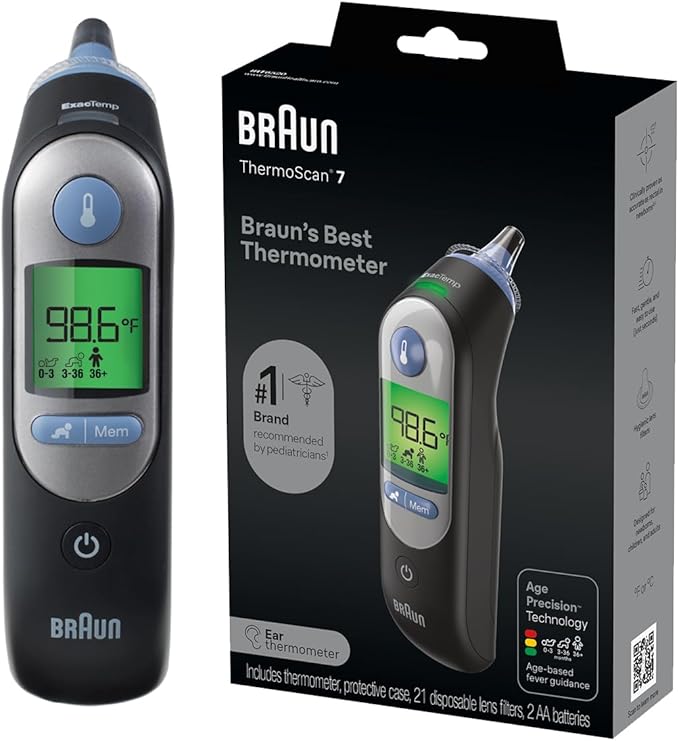
To track fever accurately before medicating, I recommend a professional-grade Digital Ear Thermometer.
- Tylenol and Liver Safety: The greatest risk with Tylenol (Acetaminophen) is hepatotoxicity (liver damage). Overdosing, often by accidentally taking two products containing acetaminophen, can lead to irreversible liver failure.
- Advil and Stomach/Kidney Risk: Advil (Ibuprofen) is an NSAID. Long-term use or high doses can cause stomach bleeding, ulcers, and strain on the kidneys.
- Chronic Headaches: If you suffer from frequent headaches, don’t just “mask” the pain daily. Overuse can lead to rebound headaches. Consult a doctor to investigate chronic migraine, which may require specific treatments like Sumatriptan.
Prevention: The Best Medicine
Before reaching for the medicine cabinet, consider prevention to avoid damaging your organs:
- Boost Immunity: Especially during seasonal changes, use immune stimulants to help your body fight viruses naturally.
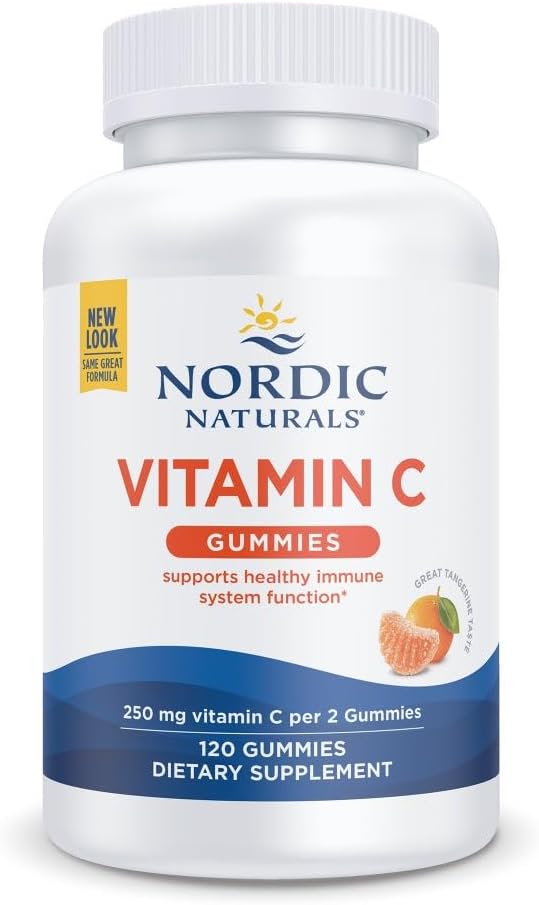
During seasonal changes, I often suggest Vitamin C Gummies to support the immune system naturally.
- Ear Health: If your child is prone to ear infections (Otitis), daily use of saline nasal sprays can keep the Eustachian tubes clear and prevent fluid buildup.
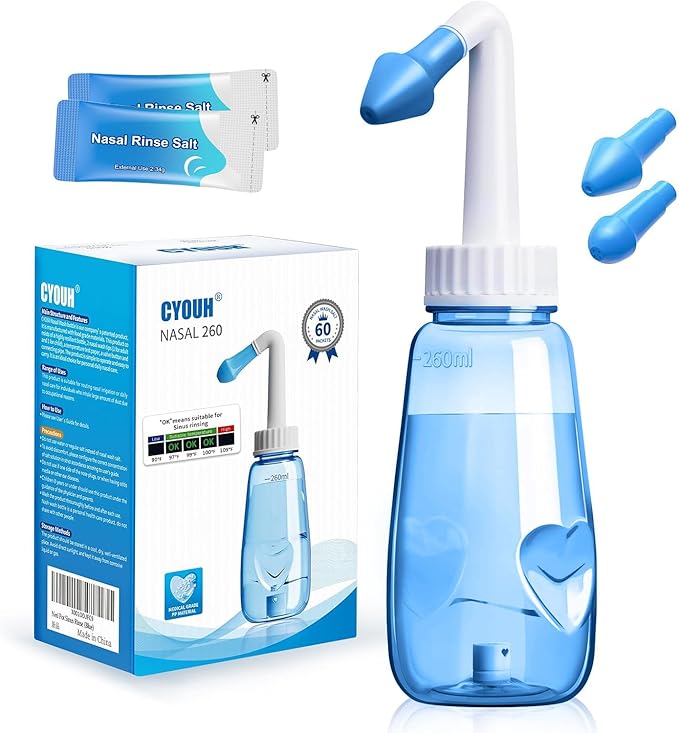
Maintaining nasal hygiene is the first step to prevent ear infections. A daily Saline Nasal Spray is a must-have in your medicine cabinet.
- Hydration: For mild headaches, often a large glass of water and rest are more effective than a pill.
“Dr. Marco is a licensed pharmacist with international experience. He specializes in simplifying complex medication guidelines to help families manage health safely and effectively at home. His mission is to promote informed pharmaceutical choices and preventive health care.”