
Lately, I’ve noticed a sharp increase in patients struggling with Silent Reflux and GERD, including many children and young adults. As a pharmacist, I know that gastroesophageal reflux is more than just an inconvenience. Whether you feel the typical heartburn or suffer from LPR (Laryngopharyngeal Reflux), managing Silent Reflux and GERD is crucial for protecting your respiratory health and dental enamel.
Even when you don’t feel a typical ‘burn,’ you might be dealing with ‘Silent Reflux‘ (LPR). This is why many ENT specialists now prescribe anti-reflux protocols for persistent, dry coughs, as acid reaching the vocal cords can cause chronic inflammation and sensitivity.
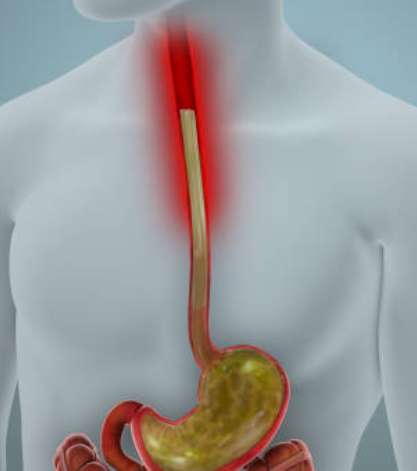
Understanding Silent Reflux and GERD: Why Acid is Rising
Gastroesophageal Reflux Disease (GERD) occurs when the lower esophageal sphincter (LES) weakens or relaxes inappropriately, allowing stomach acid to flow back into the esophagus. Modern lifestyles, high-stress levels, and processed diets have made this a global epidemic.
The Standard Treatment: PPIs (Omeprazole, Pantoprazole, Esomeprazole)
Proton Pump Inhibitors (PPIs) like Omeprazole, Pantoprazole, and Esomeprazole are the gold standard for reducing acid production.
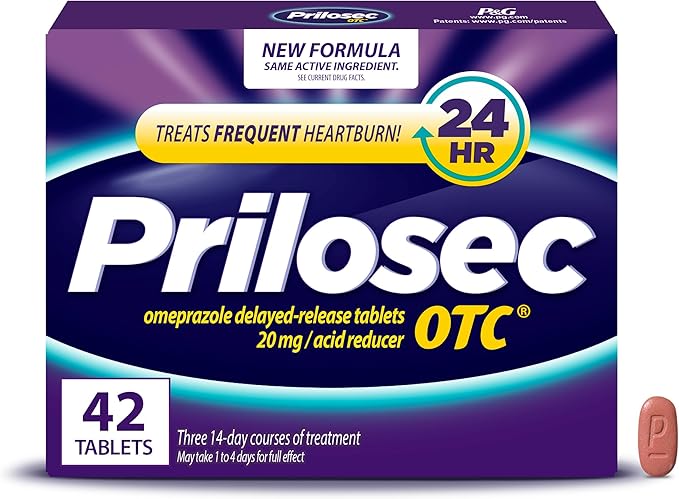
Prilosec OTC, Omeprazole 20mg, Heartburn Medicine, Acid Reflux Medicine, 24 Hour Relief, 42 Tablets
The Pharmacist’s Rule: For maximum efficacy, PPIs must be taken on an empty stomach, at least 30–60 minutes before your first meal of the day.
However, long-term use of PPIs can lead to side effects such as poor protein digestion and constipation, as stomach acid is necessary for breaking down food and killing harmful bacteria.
The “Barrier” Strategy: Hyaluronic Acid & Mucosal Protection
Before reaching for chronic PPI therapy, or to supplement it, I recommend a mechanical barrier approach. Products like Esoxx One (widely used in Europe) or American alternatives like Reflux Gourmet or Gaviscon Advance, which are based on Hyaluronic Acid, Chondroitin Sulfate, or Alginates, work by creating a protective film over the esophageal mucosa.
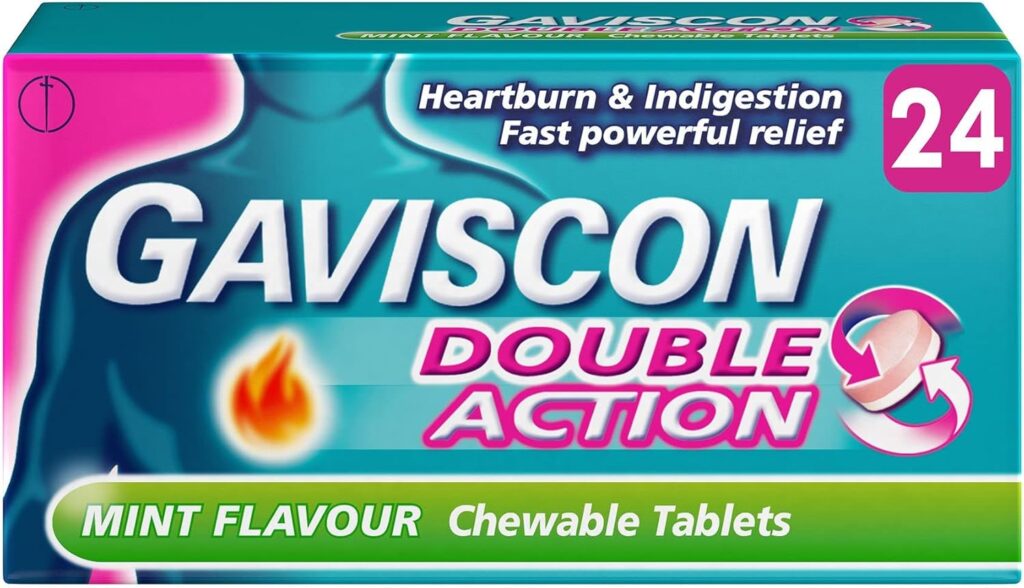
Gaviscon Double Action Tablets 24 Mint
- How to use it: Take one stick or dose after each main meal and especially before bed.
- The 30-Minute Rule: Do not drink any liquids for at least 30 minutes after taking it. This is crucial: it allows the hyaluronic acid to adhere to the mucosa and repair the lining effectively.
Natural Support: The Power of Pure Aloe Vera
For my patients looking for natural healing, Pure Aloe Vera Juice (Inner Leaf) is a game-changer. It acts as a natural anti-inflammatory for the entire digestive tract, from the esophagus to the colon. It is an excellent first-line approach before introducing stronger medications.
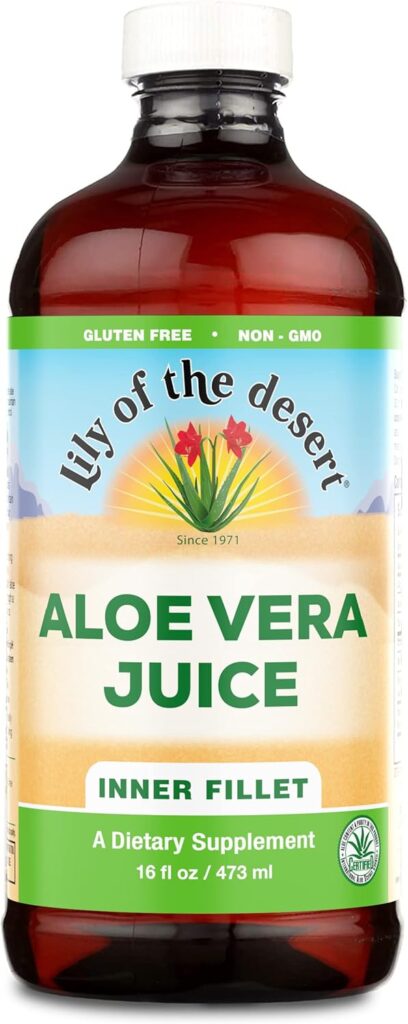
Lily of the Desert Organic Aloe Vera Juice
Managing the “PPI Side Effects”
If you are on long-term acid blockers, you may experience bloating or constipation. I recommend:
- Digestive Enzymes: To assist the stomach in breaking down nutrients when acid levels are low.
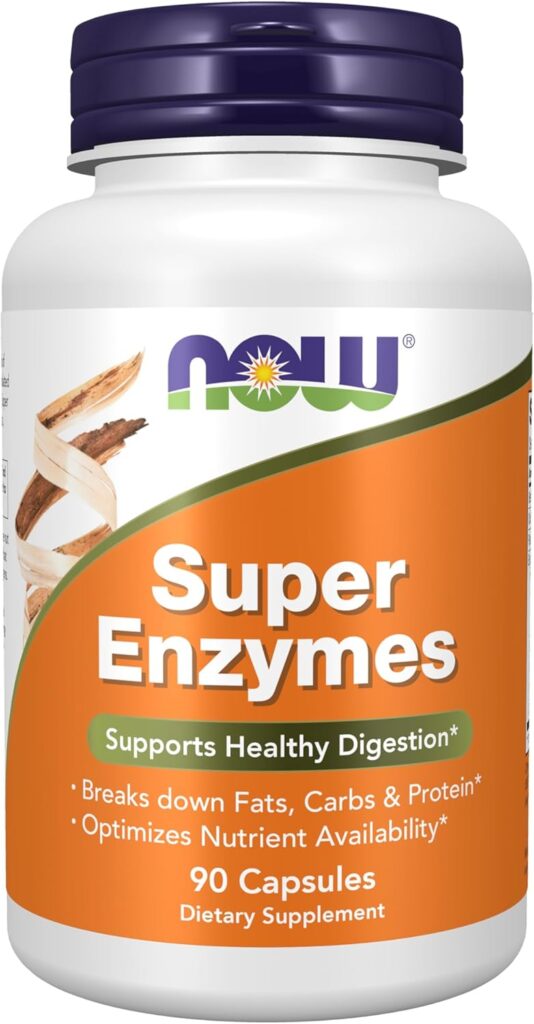
NOW Supplements, Super Enzymes, Formulated with Bromelain, Ox Bile, Pancreatin and Papain, 90 Capsules
- Gentle Fiber & Probiotics: To maintain regularity if the medication slows your digestive transit.
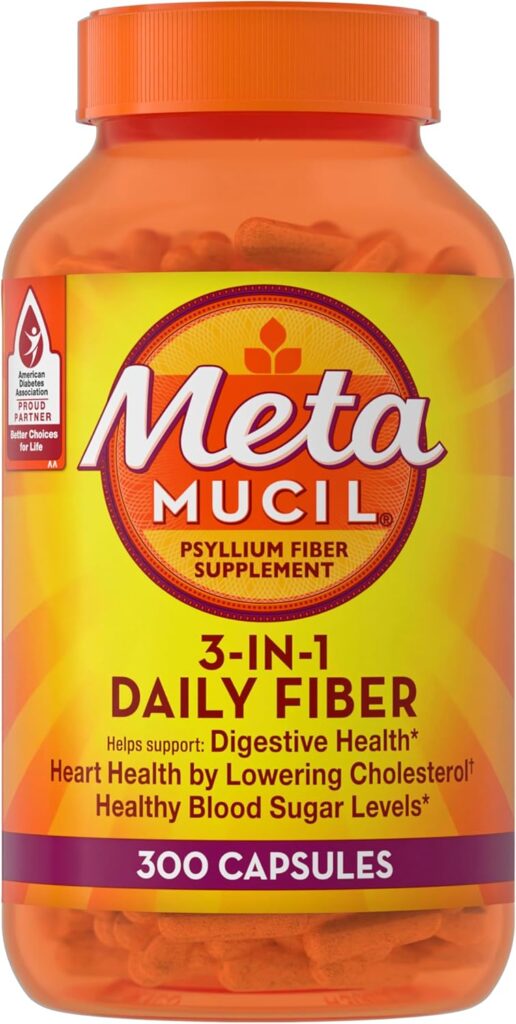
Metamucil, Psyllium Husk Capsules, 300 Capsules, 3-in-1 Fiber Supplement, Help Support Digestive Health by Promoting Regularity
Lifestyle Checklist:
- Avoid Triggers: Caffeine, chocolate, spicy foods, and late-night snacking.
- Sleep Position: Elevate the head of your bed by 6 inches to prevent nighttime reflux.
About the Author: Dr. Marco is a licensed pharmacist specializing in metabolic health and integrative pharmacology. He focuses on bridging the gap between clinical treatments and high-quality supplementation to improve patient outcomes.