
Dealing with IBS and chronic diarrhea is a daily struggle that affects both your physical comfort and your mental well-being. As a pharmacist, I know that the most effective protocol combines targeted medications with strategic support for your intestinal mucosa.
In this guide, we will explore the clinical treatments used in the US—like Rifaximin—and how to strengthen your gut barrier to prevent future flare-ups and improve your immune health.
Clinical Protocol for IBS and Chronic Diarrhea: Control and Cleanse
For patients with recurring symptoms, a “cyclical” approach is often the gold standard. In the United States, this typically involves a targeted 10 to 14-day monthly treatment to maintain coverage and prevent flare-ups:
- Rifaximin (Xifaxan): A non-absorbable antibiotic that works locally in the gut to reduce bacterial overgrowth (SIBO).
- Standard US Dosage: For IBS-D, the FDA-approved dosage is 550 mg three times a day for 14 days.
- Antispasmodics (Dicyclomine or Trimebutine): These help regulate intestinal motility. While Trimebutine (Debridat) is widely used internationally, US physicians often prescribe Dicyclomine (Bentyl) or Hyoscyamine.
- Standard Dosage: 10 mg to 20 mg up to four times daily, taken 30–60 minutes before meals.
The Importance of the Intestinal Barrier
The gut lining is your body’s first line of defense. When the mucosa is inflamed, your immune system weakens, making you more susceptible to viruses, seasonal flu, and bacterial infections. Healing the barrier is not just about digestion—it’s about total immunity.
Strengthening the Mucosa: Advanced Supplementation
To complement pharmacological treatment, or as a standalone therapy for mild IBS, I recommend substances that act as a “mechanical shield”:
- Mucosal Barriers (IBgard or Atrantil): In the US market, IBgard (ultra-purified peppermint oil) or Atrantil (botanical polyphenols) are the preferred choices to create a protective environment and reduce inflammation in the intestinal wall.
- How to use: 2 capsules up to three times daily, before meals.
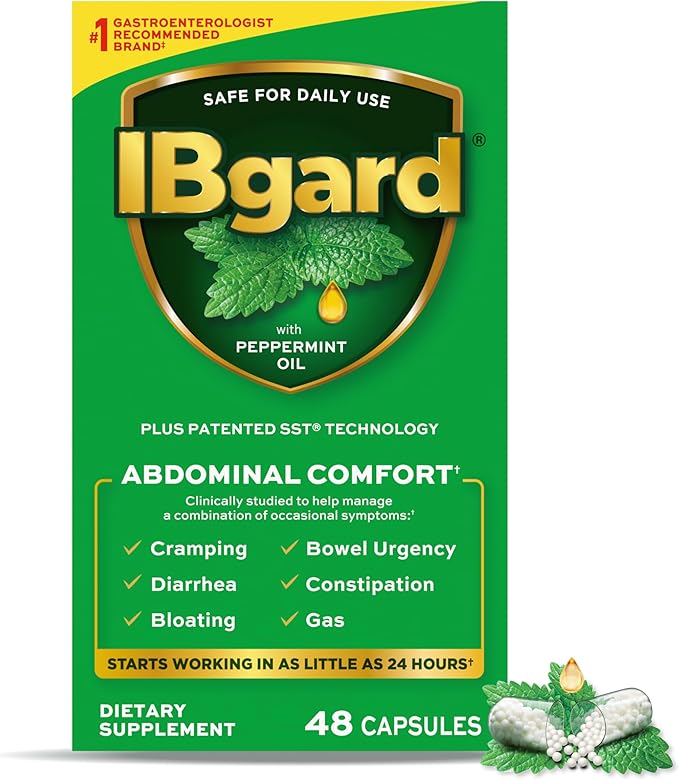
IBgard Gut Health Supplement, Peppermint Oil Capsules for Abdominal Comfort, 48 Capsules
- Butyrate (BodyBio Sodium Butyrate): This postbiotic is the primary energy source for the cells of the colon (colonocytes). Supplementing with high-quality Butyrate helps repair “leaky gut” and reduces chronic inflammation.
- Standard Dosage: 1.2g to 1.8g per day, divided with meals.
- Chronic Probiotic Support: For long-term maintenance, high-potency probiotics like Visbiome or Align are essential to populate the gut with healthy bacteria and crowd out pathogens.
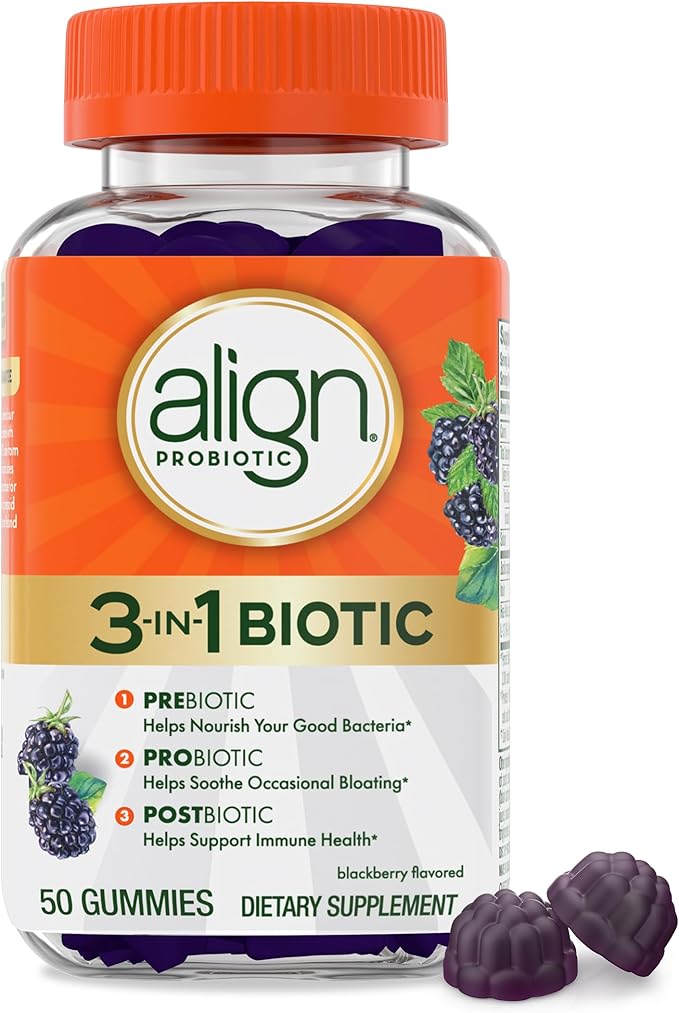
Align Probiotic, 3-in-1 Biotic Gummies, Prebiotic + Probiotic + Postbiotic, BlackBerry Flavor, 50 Gummies
Fiber and Regulation
The use of Psyllium Husk (Psyllo), such as Metamucil, is fundamental for managing IBS symptoms. It acts as a gentle regulator: it adds bulk to liquid stools in cases of diarrhea and softens stools in cases of constipation. Always take fiber with adequate water to ensure it forms the correct “soothing gel” in the tract.
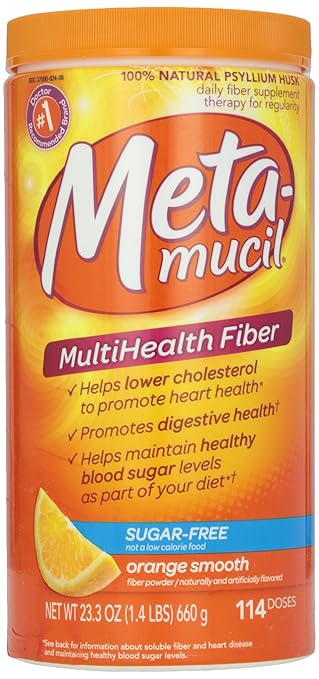
Metamucil Psyllium Husk
Pharmacist’s Note: A healthy gut barrier is your primary immune shield. By treating the mucosa, you aren’t just fixing your digestion; you are protecting your body from systemic illnesses and fatigue.


About the Author: Dr. Marco is a licensed pharmacist specializing in metabolic health and integrative pharmacology. He focuses on bridging the gap between clinical treatments and high-quality supplementation to improve patient outcomes.