
If you are struggling with chronic discomfort, understanding the synergy between NSAIDs and PEA for Nerve Pain can be a total game-changer. While traditional anti-inflammatoriess work for swelling, combining NSAIDs and PEA for Nerve Pain allows you to target both tissue inflammation and the underlying neuroinflammation that causes tingling and burning sensations.
Why Traditional NSAIDs and PEA for Nerve Pain Work Differently
Most patients with conditions like sciatica, carpal tunnel syndrome, or diabetic neuropathy start their treatment journey with Non-Steroidal Anti-Inflammatory Drugs (NSAIDs) such as Advil (Ibuprofen), Aleve (Naproxen), or Voltaren (Diclofenac).
While effective for acute tissue inflammation (like a sprained ankle), NSAIDs are often ineffective for neuropathic pain. This is because nerve pain is not caused by simple tissue swelling, but by direct nerve damage or, more accurately, neuroinflammation—a persistent, low-grade inflammation of the nervous system’s immune cells (the glia).
The Risks of Overusing NSAIDs and PEA for Nerve Pain Safety
Continuing to push the dosage of NSAIDs for nerve pain when they are not working is a dangerous strategy. Overusing NSAIDs is a primary cause of severe, often irreversible, damage to your body, particularly:
- Gastrointestinal Bleeding & Ulcers: NSAIDs inhibit the protective mucosal lining of the stomach. As a pharmacist, I cannot emphasize enough how quickly this leads to gastritis, severe reflux (GERD), and dangerous ulcers. If you must use NSAIDs long-term, you must also discuss acid reflux management (such as PPIs) with your doctor.
- Kidney Damage: Long-term NSAID use constricts blood flow to the kidneys, leading to chronic kidney disease (CKD).
- Cardiovascular Risk: Nearly all NSAIDs (except aspirin) increase the risk of heart attack and stroke.
Comparison Chart: Using NSAIDs and PEA for Nerve Pain Relief
While traditional NSAIDs reduce physical swelling and temporary pain relief, Palmitoylethanolamide (PEA) acts as a “biological sponge” that soaks up neuroinflammation. It targets the PPAR-alpha receptor to shut down overactive glial cells—the real source of chronic nerve firing. By combining NSAIDs and PEA for Nerve Pain, you tackle the discomfort from two different angles.
| Feature | NSAIDs (e.g., Ibuprofen, Naproxen) | PEA (Palmitoylethanolamide) |
| Mechanism | Inhibits COX enzymes (blocks prostanoids) | Regulates PPAR-alpha (reduces glial/mast cell activation) |
| Best For | Acute tissue injury, swelling, temporary pain relief, fever | Chronic pain, nerve pain, neuroinflammation |
| Gastrointestinal Risk | High (Bleeding, GERD, Ulcers) | Low/None |
| Onset of Action | Immediate (30-60 mins) | Progressive (Weeks to months) |
| Drug Interactions | Many (Blood thinners, BP meds) | Minimal/None |
Pharmacist-Recommended PEA & Support Supplements
To help you get started with the integrative approach we’ve discussed, here are three high-quality options available on Amazon. I have selected these based on their purity and clinical formulation:
- Life Extension Pea Discomfort Relief: This is an excellent choice for those who dislike swallowing large capsules. It contains 600 mg of PEA per vegetarian chewable tablet in a berry flavor. Life Extension is one of the most respected supplement brands in the USA, ensuring high quality.
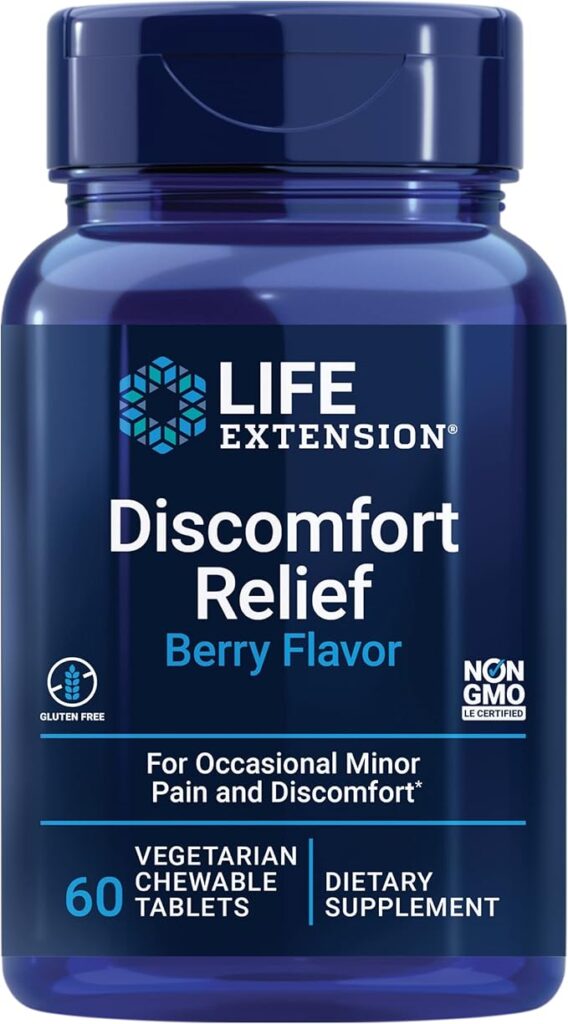
Life Extension Pea Discomfort Relief (Berry Flavor) Palmitoylethanolamide Supplement 60 Chewable Tablets
- BulkSupplements Pea Supplement, Palmitoylethanolamide 600mg: If you prefer a pure, no-nonsense approach, these capsules contain only PEA at 600 mg. BulkSupplements is known in the USA for providing straightforward, high-purity ingredients without unnecessary fillers.
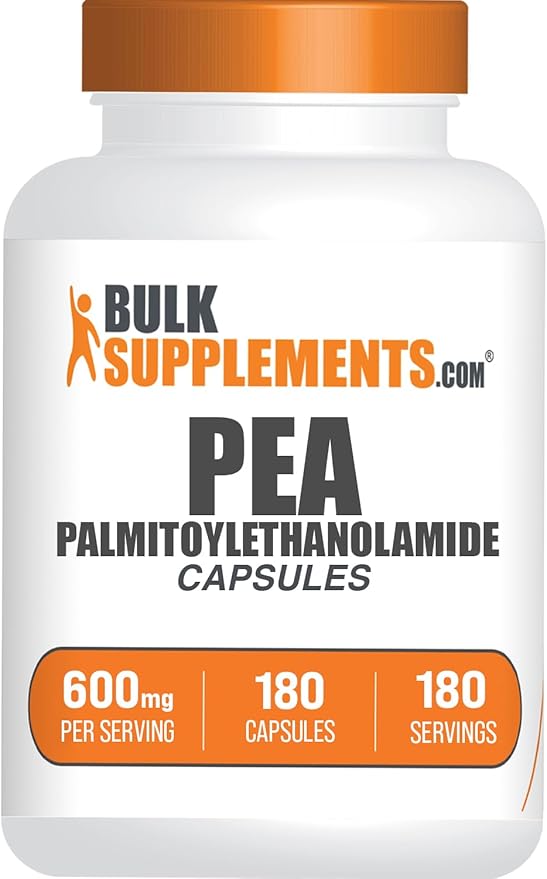
BulkSupplements Pea Supplement, Palmitoylethanolamide 600mg, 180 Capsules
- XGOLD Health PEA 600 mg: For maximum absorption, this product offers Micronized Palmitoylethanolamide at 600 mg per serving. Micronization makes the PEA particles smaller, allowing your body to use it more effectively for natural discomfort relief.
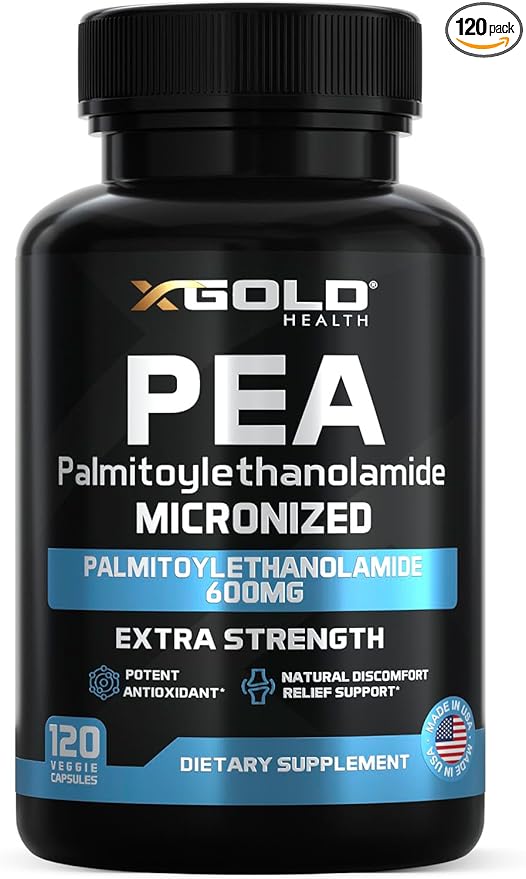
Palmitoylethanolamide Pea Supplement 600 mg,120 Capsules
Standard PEA Dosages and Administration Guide
When using NSAIDs and PEA for nerve pain as a combined integrative therapy, the goals are to enhance pain control and eventually reduce the necessary NSAID dosage.
Clinical Administration Protocol:
- PEA Formulation: For the best absorption (bioavailability), always look for Ultra-Micronized PEA. The particles are smaller, making them easier for your body to use.
- How to Take: Take PEA capsules with a meal containing some fat (like olive oil or avocado) to enhance absorption.
- The Loading Phase: PEA works progressively. Do not expect immediate relief. It often takes 2-4 weeks to notice a significant change.
Recommended PEA Dosage Chart:
| Phase | Duration | Daily Dosage | Administration |
| Loading Phase | Weeks 1-4 | 1,200 mg | 600 mg twice daily with food |
| Maintenance Phase | Weeks 4-12 | 600 mg | 300 mg twice daily with food |
| Refractory Phase* | Weeks 1-8 | 1,800 mg | 600 mg three times daily (under medical supervision) |
Top Neuralgias that Benefit from PEA Integration
- Sciatica & Failed Back Surgery Syndrome (FBSS): The most studied condition for PEA, targeting the deep neuroinflammation around the spinal nerve roots.
- Carpal Tunnel Syndrome: Excellent for reducing the neurogenic pain in the wrist and hand.
- Diabetic Neuropathy: PEA can safely reduce the burning and tingling sensations in the feet.
- Post-Herpetic Neuralgia: A safe option for managing the debilitating pain after Shingles.
About the Author: Dr. Marco Rollo, PharmD

“Chronic nerve pain is uniquely exhausting because traditional anti-inflammatories often fail to touch it. As a licensed pharmacist with 15+ years of experience, I am passionate about integrative pharmacology—using pharmaceutical science to identify when a traditional drug like an NSAID must be complemented with a potent regulator like PEA. My mission is to give you a safe, evidence-based roadmap to reduce neuroinflammation, break the cycle of pain, and protect your body from the long-term damages of medication overuse.”