
Balancing NSAIDs and gut health is a major challenge for anyone dealing with chronic pain. While drugs like Ibuprofen, Naproxen, or Diclofenac are effective, their long-term use is a leading cause of stomach ulcers and intestinal damage.
As a pharmacist, I see these complications daily. This guide provides a clinical protocol to shield your stomach lining and introduces safer, natural alternatives for managing inflammation.
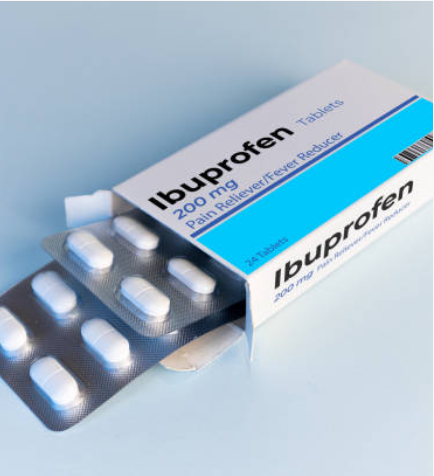
The Hidden Risks: Stomach, Gut, and Blood Pressure
NSAIDs work by inhibiting enzymes (COX-1 and COX-2). Unfortunately, blocking COX-1 reduces the protective mucus lining of your stomach.
- Gastrointestinal Damage: Prolonged use can lead to gastritis, peptic ulcers, and even “leaky gut” syndrome.
- Blood Pressure Warning: If you have hypertension, be cautious. NSAIDs can decrease blood flow to the kidneys, causing fluid retention and raising your blood pressure.
A Safer Path: COX-2 Selectivity and Protection
For chronic joint pain, modern pharmacology offers Selective COX-2 Inhibitors like Etoricoxib (available internationally) or Celecoxib (Celebrex) in the US. These are generally gentler on the stomach lining while remaining highly effective for arthritis.
How to Protect Yourself: If you must stay on long-term NSAID therapy, a Proton Pump Inhibitor (PPI) like Pantoprazole (Protonix) is often prescribed to shield the stomach. However, you can also support your mucosa naturally.
Pharmacist’s Protocol for NSAIDs and Gut Health
If your gut is already irritated, these “healers” are essential:
- Zinc-Carnosine: One of the best natural gastro-protectors. It sticks to gastric ulcers to facilitate repair.
- US Brand: Integrative Therapeutics – PepZin GI.
- L-Glutamine: An amino acid that acts as “fuel” for intestinal cells, repairing the lining.
- US Brand: NOW Foods L-Glutamine.
- Aloe Vera Juice & Slippery Elm: These provide a soothing “coating” (mucilage) for the esophagus and stomach.
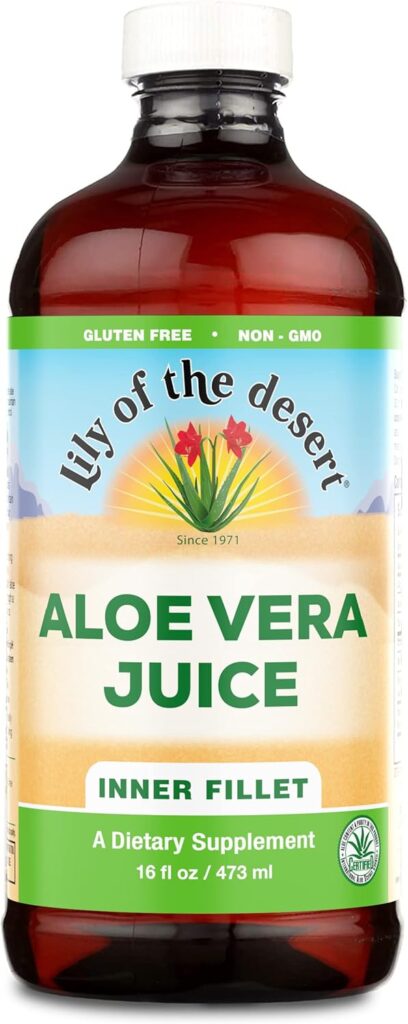
Succo di aloe vera biologico Lily of the Desert
Effective Alternatives for Pain Management
You can reduce your reliance on NSAIDs by using targeted nutraceuticals:
1. For Joint and Muscle Inflammation
- Bromelain & Boswellia Serrata: Bromelain (from pineapple) reduces swelling, while Boswellia is a powerful natural anti-inflammatory for joints.
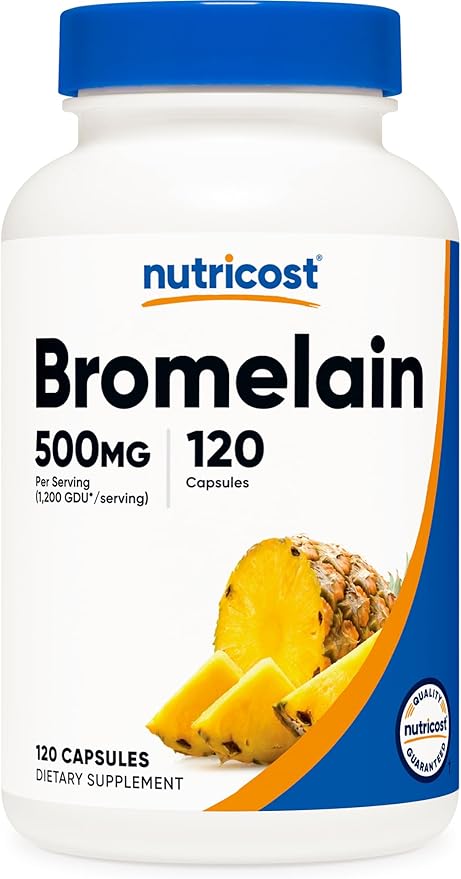
Nutricost Bromelain 500mg, 120 Vegetarian Capsules – Bromelain (1200 GDU), Non-GMO, Gluten Free
- US Brand: Solgar Comfort Support.
- Turmeric (Curcumin): Look for high-bioavailability formulas (with black pepper).
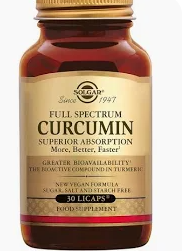
Solgar Full Spectrum Curcumin – 60 LiCaps – Brain, Joint & Immune Health
- Devil’s Claw (Harpagophytum): Highly effective for lower back and muscular pain.
2. For Nerve Pain (Neuralgia)
If you suffer from nerve-related pain, you should know about Palmitoylethanolamide (PEA). This fatty acid amide (found in products like Normast in Europe) is a breakthrough for chronic pain and sciatica.
- US Brand: Life Extension PEA Discomfort Relief.

Life Extension Pea Discomfort Relief (Berry Flavor) Palmitoylethanolamide Supplement 60 Chewable Tablets
3. For Menstrual Cramps: The Magnesium Secret
Instead of mega-dosing Ibuprofen for period pain, try associating it with Magnesium. Magnesium relaxes the smooth muscles of the uterus, significantly reducing the dose of medication needed for relief.
Supporting the Microbiome
NSAIDs disrupt your “good” bacteria. To restore balance, I recommend:
- Probiotics: Specifically Lactobacillus strains to protect the intestinal barrier.
- Butyrate: A short-chain fatty acid that nourishes the colon lining and reduces systemic inflammation.
About the Author:
Dr. Marco is a licensed pharmacist specializing in metabolic health and integrative pharmacology. He focuses on bridging the gap between clinical treatments and high-quality supplementation to improve patient outcomes.