
When comparing Omeprazole vs Esomeprazole vs Pantoprazole, understanding the clinical differences is essential for effective acid reflux management. In the USA, GERD affects millions of people, and while Prilosec, Nexium, and Protonix all work by shutting down the “proton pumps” in your stomach, they have different potencies. As a licensed pharmacist, I will help you navigate these treatments to find which one fits your specific needs.
Omeprazole Esomeprazole vs Pantoprazole Dosage Chart
Note: Dosages may vary based on whether the condition is occasional heartburn or erosive esophagitis.
| Medication (Brand Name) | Standard OTC Dose | Prescription Dose (Typical) |
| Omeprazole (Prilosec) | 20 mg | 40 mg |
| Esomeprazole (Nexium) | 20 mg | 40 mg |
| Pantoprazole (Protonix) | N/A (Rx Only in USA) | 20 mg – 40 mg |
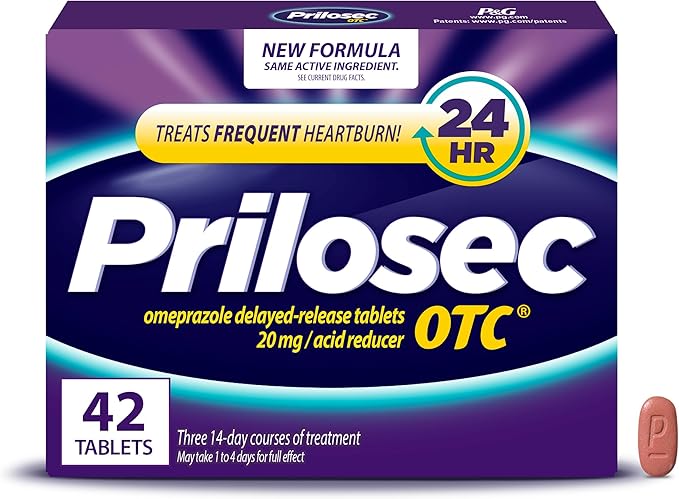
Prilosec OTC, Omeprazole 20mg, Heartburn Medicine, Acid Reflux Medicine, 24 Hour Relief, 42 Tablets
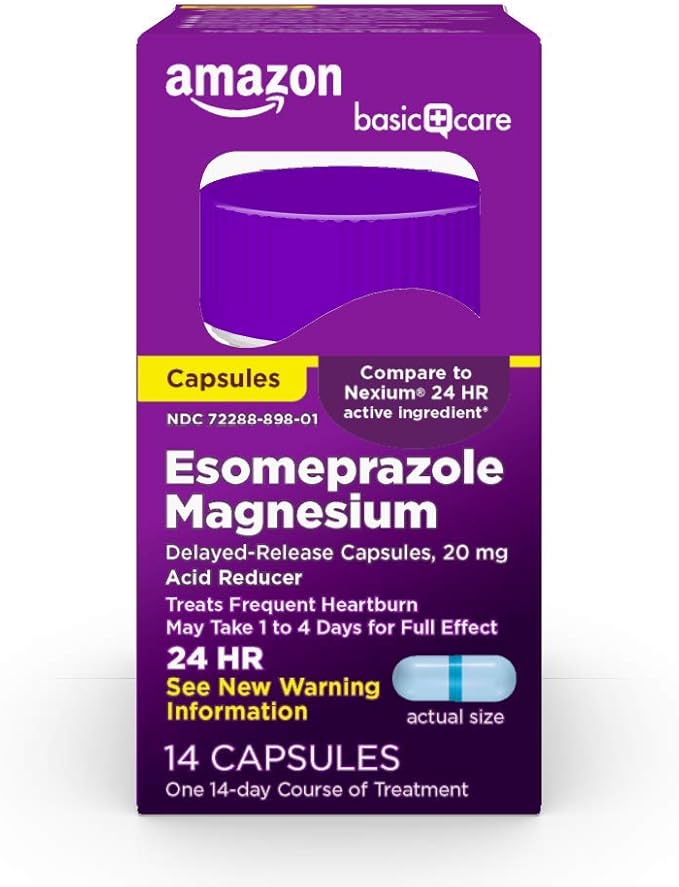
Amazon Basic Care Esomeprazole Magnesium Delayed Release Capsules- 20 mg, Acid Reducer, Blue, 14 Count
How to Take PPIs for Maximum Efficacy
To get 24-hour coverage, the timing is more important than the dose itself.
- Empty Stomach is Key: You must take these medications 30 to 60 minutes BEFORE your first meal (breakfast). The pumps need to be “active” for the drug to bind to them, but the drug needs to be in your system before the food arrives.
- Consistency: PPIs are not “as needed” drugs like antacids (Tums). They can take 1-3 days to reach full effect.
- 24-Hour Coverage: Once they reach steady-state, one pill typically covers the entire day.
Key Differences: Omeprazole Esomeprazole vs Pantoprazole
- Omeprazole: The most studied and affordable. Great for standard GERD.
- Esomeprazole: Often considered slightly more potent for healing esophageal erosions.
- Pantoprazole: Frequently used in hospitals and for patients taking multiple other medications, as it has fewer drug-to-drug interactions (especially with blood thinners like Clopidogrel).
FDA Warning: Long-Term PPI Use and Magnesium Levels
As a pharmacist, I must highlight a critical safety communication from the FDA. Prolonged use (typically longer than one year) of Proton Pump Inhibitors like Omeprazole, Esomeprazole, and Pantoprazole has been associated with hypomagnesemia (low serum magnesium levels).
Low magnesium can lead to serious adverse events, including muscle spasms (tetany), heart palpitations (arrhythmias), and seizures. In many cases, magnesium supplementation alone is not enough to reverse the deficit, and the PPI must be discontinued.
Dr. Marco’s Clinical Tip: If you are on long-term PPI therapy, I recommend:
- Asking your doctor for a periodic magnesium blood test.
- Being aware of symptoms like unexplained fatigue or muscle tremors.
- Considering a high-quality magnesium supplement as a preventive measure, though clinical monitoring remains essential.
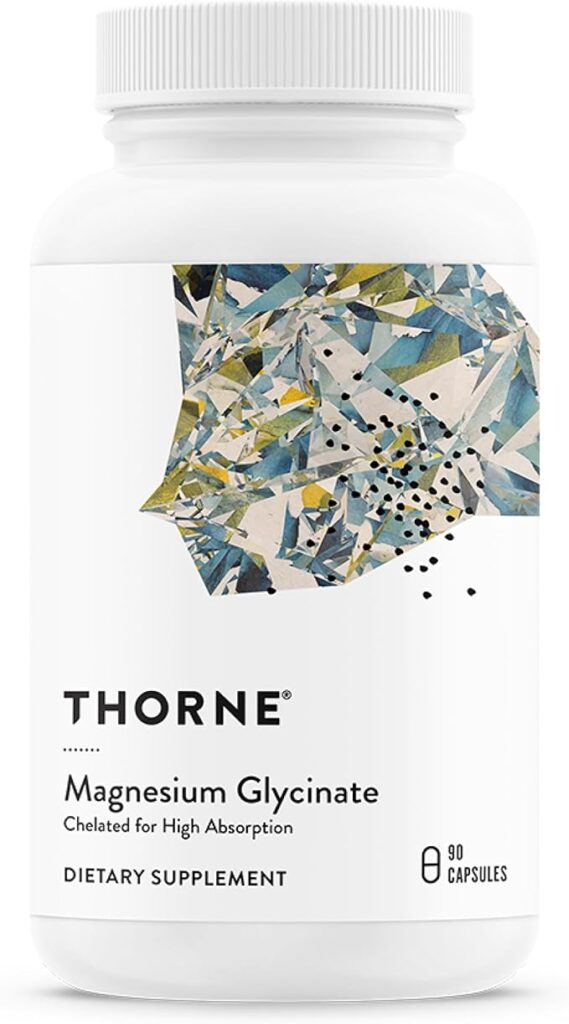
THORNE – Magnesium Glycinate – Supports Restful Sleep, Muscle Relaxation, Heart Health & Metabolism 90 Servings
Conclusion: The choice between Omeprazole vs Esomeprazole vs Pantoprazole should be discussed with your healthcare provider to ensure the best results for your digestive health.
About the Author: Dr. Marco Rollo, PharmD
“Managing acid reflux is about more than just suppressing symptoms; it’s about metabolic balance and clinical safety. As a licensed pharmacist with over 15 years of experience, I’ve seen how transformative the right PPI therapy can be—but also the importance of monitoring long-term effects like magnesium depletion. My goal is to ensure you use these powerful tools safely, combining the best of clinical science with a proactive approach to your overall wellness.”