
As the spring season arrives, so do the classic symptoms: itching, watering, and persistent redness. For many, the first instinct is to grab a bottle of red eye relief and allergy eye drops from the local drugstore. However, as a clinical pharmacist, I must warn you: those quick-fix decongestant drops can be a trap for your ocular health.
While decongestants like Tetrahydrozoline or Naphazoline (found in brands like Visine or Clear Eyes) provide rapid vasoconstriction, their misuse can lead to chronic redness and even serious complications like increased intraocular pressure (IOP).
The Risks of Using Decongestant Red Eye
Decongestant eye drops work by shrinking the blood vessels on the surface of the eye. They are effective for occasional use (max 2-3 days), but long-term use leads to:
- Rebound Hyperemia: Once the drug wears off, the vessels dilate even more than before, making the eye look angrier and redder. This is the same mechanism I’ve described for Nasal Spray Addiction—a chemical cycle that’s hard to break without a proper protocol.
- Conjunctivitis Medicamentosa: A chronic inflammation caused by the medication itself.
- Glaucoma Risk: These drops can interfere with fluid drainage, raising eye pressure—a dangerous scenario for those predisposed to glaucoma.
Choosing the Right Red Eye Relief and Allergy Eye Drops: Antihistamines, Glycols, and Hyaluronic Acid
If your eyes are red due to allergies (pollen, pet dander, dust), you don’t need a vasoconstrictor; you need an antihistamine.
- Antihistamine Drops: In the USA, the gold standard is Olopatadine (available OTC as Pataday). These block the histamine response directly without affecting the blood vessels.
- Lubricating Glycols: Most American drops (like Systane) use Glycols (PEG 400). They are good for basic, daily moisture and are a much safer starting point than decongestants.
- Hyaluronic Acid (Sodium Hyaluronate): This is my favorite recommendation for long-term care. Unlike chemicals, Hyaluronic Acid is a natural lubricant. It mimics human tears, repairs the ocular surface, and is ideal for Dry Eye Syndrome.
The “Detox” Protocol: How to Quit Decongestant Drops
If you have become dependent on “redness relievers,” follow this gradual 2-week pharmacist-approved weaning protocol:
| Phase | Duration | Action |
| Phase 1 (Weaning) | Days 1-4 | Reduce decongestant use to once a day (only at night). Start Olopatadine drops twice daily. |
| Phase 2 (Transition) | Days 5-10 | Stop the decongestant completely. Use Hyaluronic Acid PF or Glycols drops 4-6 times a day to soothe the rebound redness. |
| Phase 3 (Maintenance) | Day 11+ | Use only Preservative-Free Hyaluronic Acid or Glycols for hydration and Antihistamines only during peak allergy days. |
TBest Products for Red Eye Allergy Relief
To support your vision and manage allergies, look for these highly-rated products:
- Allergy Relief: Pataday (Olopatadine) Once Daily Relief—the most powerful OTC antihistamine.
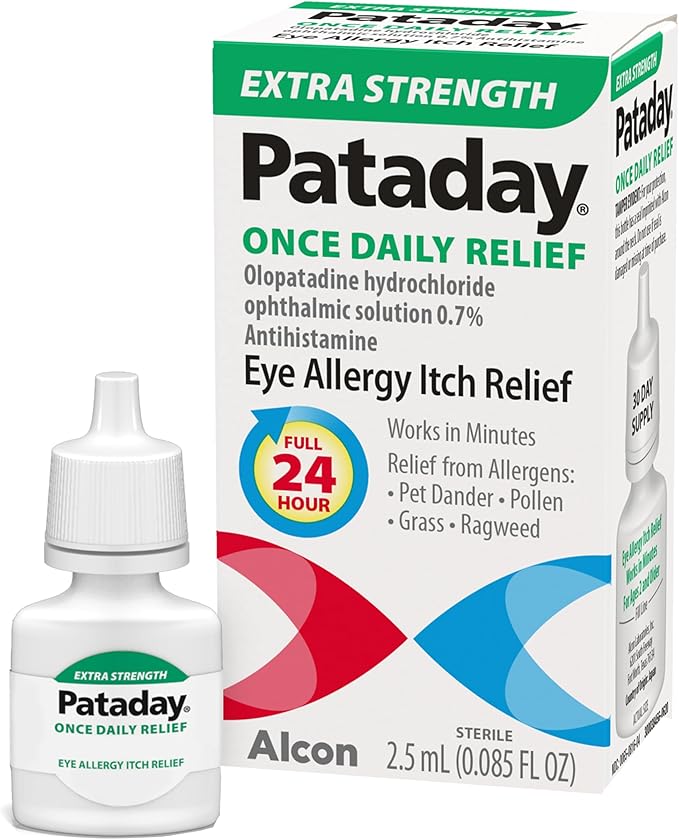
Pataday Once Daily Extra Strength
- Hydration: Systane Hydration PF or Refresh Relieva PF
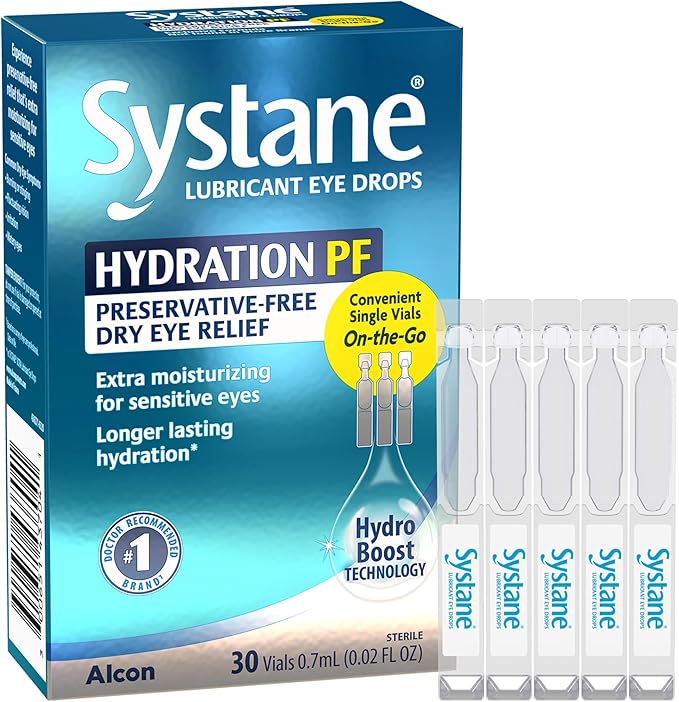
ALCON Systane Hydration Preservative-Free Lubricant Eye Drops, 30 Count
- Ultra Hydration with Hyaluronic Acid: Blink Boost Lubricating Eye Drops (Preservative-Free)
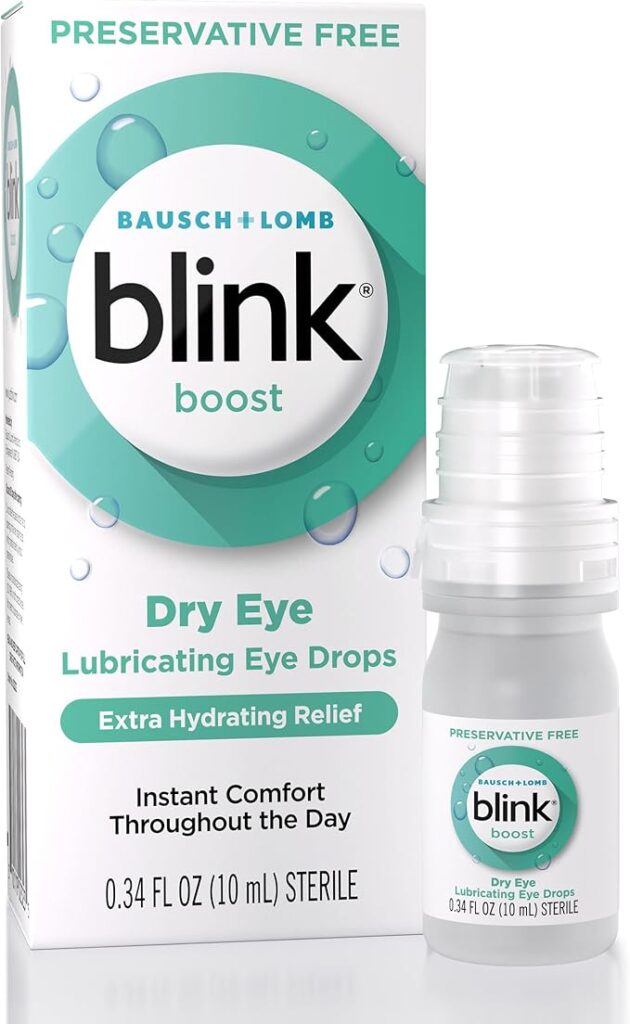
Blink Boost Preservative-Free Lubricating Eye Drops, Moisturizing & Soothing for Mild Dry Eyes, with Hyaluronate.
- Vision Supplements: Lutein and Zeaxanthin are essential. Look for PreserVision AREDS 2 or Thorne Ocular Factors. These contain Vitamin C, E, Zinc, and Copper to protect the retina from oxidative stress.
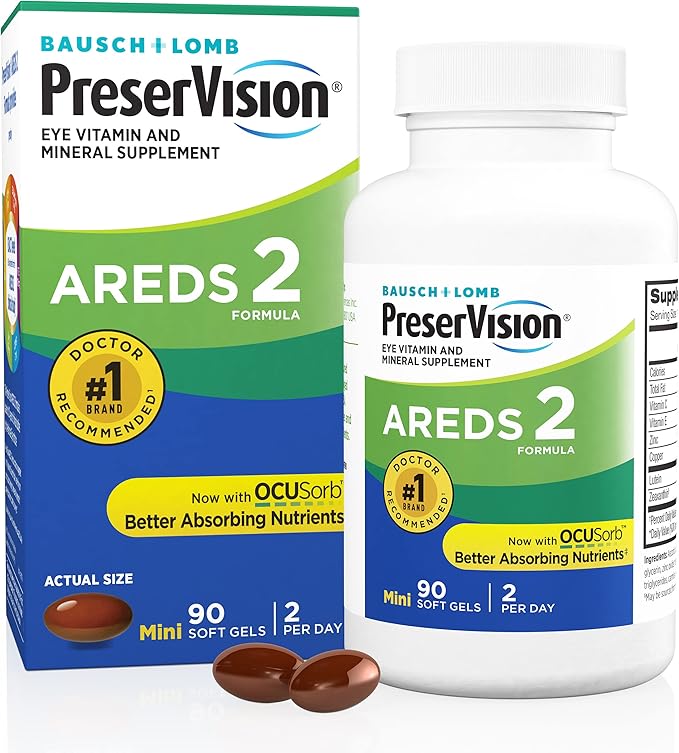
PreserVision AREDS 2 Eye Vitamins, Lutein and Zeaxanthin Supplement with Vitamin C, Vitamin E, Zinc, and Copper, 90 Softgels
Natural Remedies for Instant Soothing
For non-pharmacological relief, try these clinical tips:
- Cold Compresses: Apply a clean, cold cloth over closed eyelids for 5 minutes. This naturally constricts vessels without chemicals.
- Chamomile Rinses: Use cooled chamomile tea for its anti-inflammatory properties.
- Preservative-Free (PF) Vials: Always choose single-dose vials if you use drops frequently to avoid irritating preservatives like BAK.
Coming Soon: The 1,000 Benefits of Hyaluronic Acid
Stay tuned for our next deep dive, where we explore how Hyaluronic Acid isn’t just for eyes—it’s a miracle molecule for acid reflux, joint health, and skin longevity.
About the Author: Dr. Marco Rollo, PharmD

“At the pharmacy counter, I see too many patients trapped in a cycle of using ‘redness relievers’ that actually make their eyes worse. Hyaluronic Acid (Hyaluronate) is my go-to recommendation because it works with your body, not against it. My mission is to help you move away from addictive decongestants (like Visine) and toward physiological recovery. Whether you choose a high-quality Glycol-based drop or the ultimate repair of Hyaluronic Acid, your ocular health must come first.”