
Cortisol is widely known as the “stress hormone,” produced by your adrenal glands. While it is essential for survival—regulating energy and your sleep-wake cycle—problems arise when levels remain chronically high (hypercortisolism). Furthermore, when cortisol stops following its natural morning peak and stays elevated, it triggers a cascade of high cortisol symptoms, ranging from stubborn abdominal bloating to visible changes in your facial structure. Consequently, recognizing these clinical signs early is essential for implementing an effective recovery protocol.
Why Your Cortisol is High: Common Triggers
As a pharmacist, I often see patients struggling with fatigue that doesn’t go away with rest. Consequently, identifying the root cause is the first step in any clinical protocol:
- Chronic Stress: Prolonged work, emotional, or family pressures.
- Circadian Disruptions: Insomnia, sleep apnea, or irregular sleep schedules.
- Poor Nutrition: High intake of refined sugars, high-glycemic carbohydrates, and excessive caffeine.
- Overtraining: Intense exercise without adequate recovery phases.
- Medical Conditions: Prolonged use of corticosteroid medications or adrenal issues.
High Cortisol Symptoms: The “Cortisol Face” and Skin Damage
High cortisol levels don’t just affect your internal health; they are visibly reflected in your skin and face—a condition often called “Cortisol Face.”
How Cortisol Damages Your Skin:
- Slowing Regeneration: It halts cellular repair and reduces collagen production, leading to premature aging and wrinkles.
- Weakening the Barrier: It thins the hydrolipidic film, making the skin dry, sensitive, and reactive.
- Increasing Inflammation: It triggers excess sebum production, causing “stress acne,” blackheads, and redness.
Visible Symptoms on the Face:
- Moon Face: A rounded, swollen appearance caused by water retention and fat redistribution around the cheeks and jawline.
- Dull Complexion: Loss of radiance and increased skin fragility.
- Puffy Eyes: Pronounced dark circles and localized swelling.
The Pharmacist’s Clinical Skincare Protocol
To mitigate the skin damage caused by stress, you need a soothing, barrier-repairing routine.
1 Gentle Cleansing:
Use a non-stripping wash like CeraVe Hydrating Facial Cleanser to protect your fragile skin barrier.
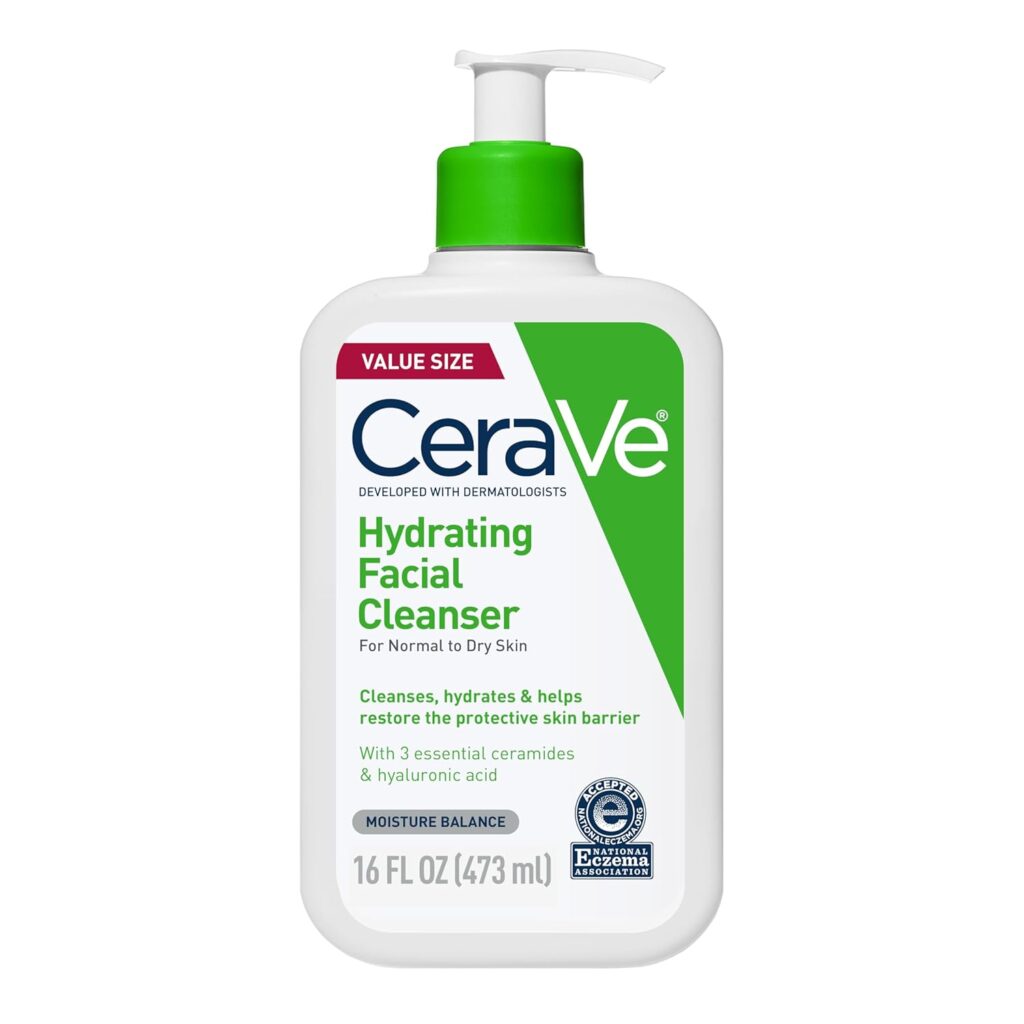
A non-foaming wash that moisturizes while cleansing. Enriched with 3 essential ceramides and hyaluronic acid to help restore the skin’s protective barrier without stripping away moisture.
View on Amazon
2 Alcohol-Free Toner:
Apply Thayers Milky Toner to calm redness and rebalance the skin’s pH.
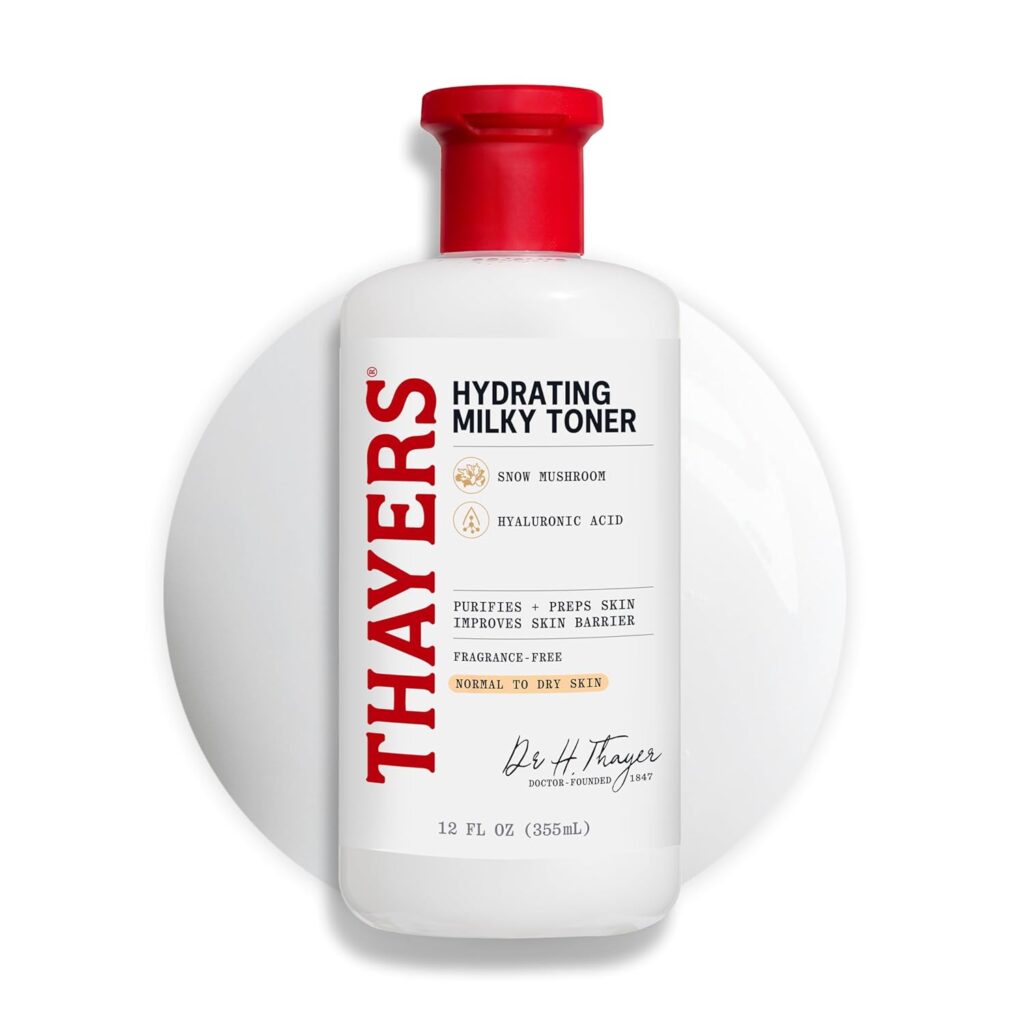
A soothing clinical formula for stressed skin. Tremella mushroom and Hyaluronic acid work together to restore the moisture barrier that cortisol often weakens.
View on Amazon
3 Antioxidant Serum:
Use La Roche-Posay Pure Vitamin C10 or The Ordinary Niacinamide 10% to fight free radicals and restore tone.
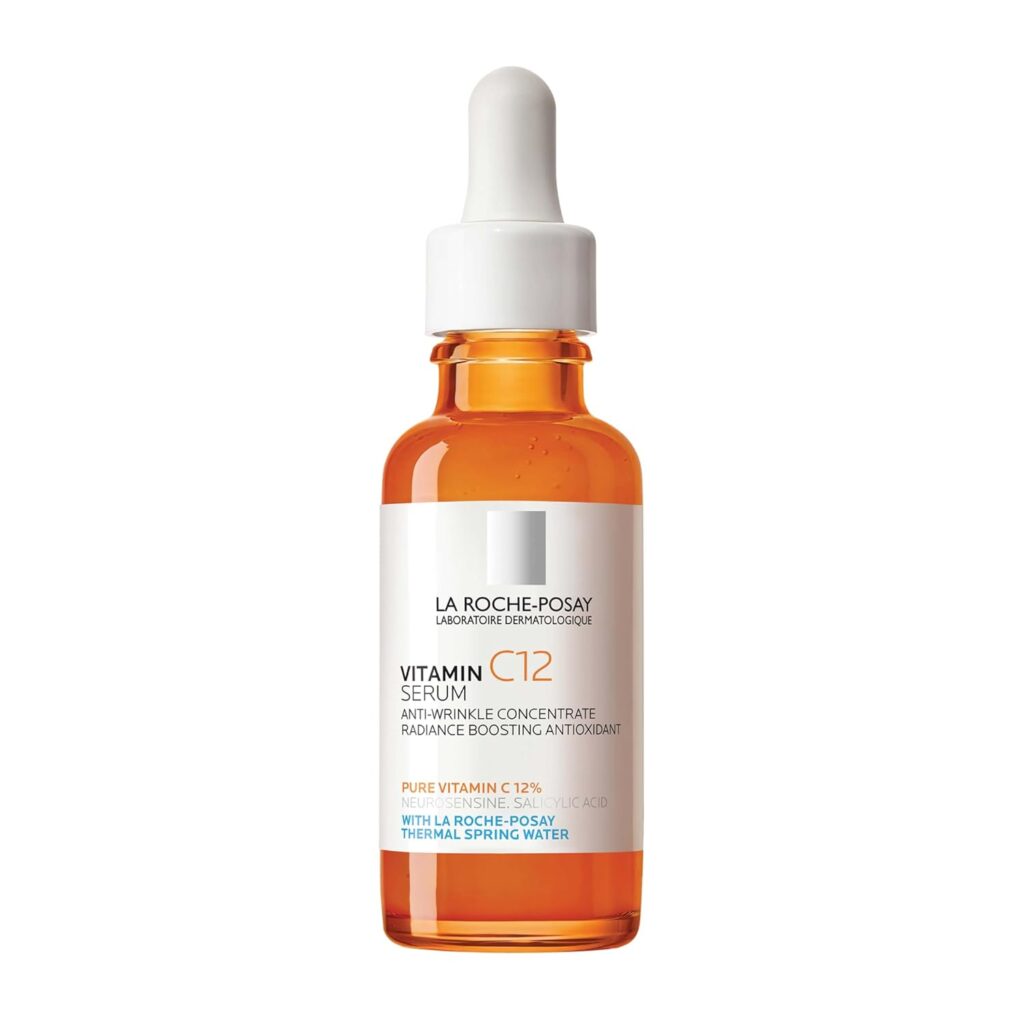
Boosts radiance and targets deep-set stress lines. The 12% concentration is optimized to repair photo-damage and stimulate collagen, which cortisol tends to degrade.
View on Amazon
4 Hydrating Moisturizer:
A lightweight but nourishing cream like Uriage Rich Water Cream to seal in hydration and plump fine lines or Filorga Time-Filler Intensive Excellent for filling deep wrinkles.
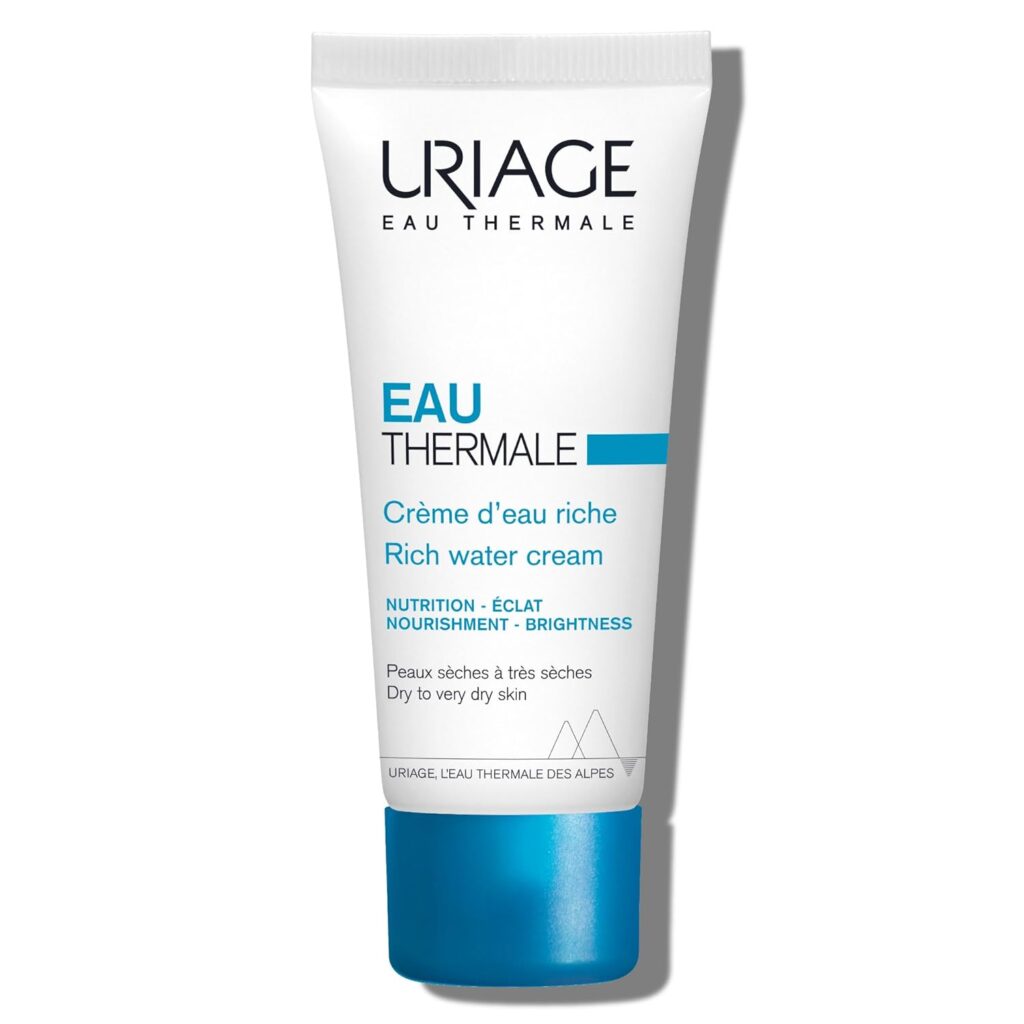
Specifically designed for dry and dull skin. This rich cream boosts radiance and provides 24-hour hydration, helping to rebuild the cutaneous barrier for a glowing complexion.
View on Amazon
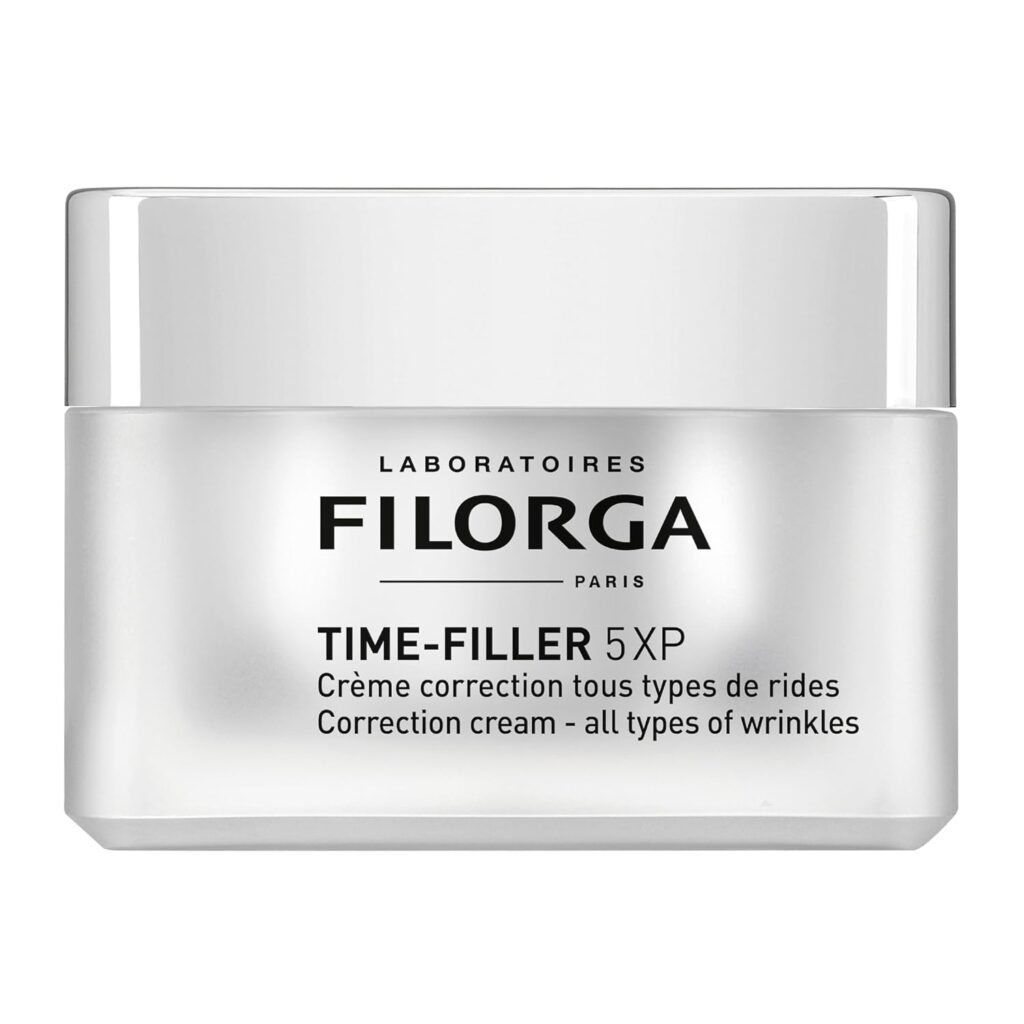
Advanced anti-aging formula targeting five types of wrinkles: expression lines, deep wrinkles, surface wrinkles, dryness wrinkles, and neck wrinkles. A professional choice for structural skin repair.
View on Amazon
5 De-puffing Eye Cream:
RoC Retinol Correxion Line Smoothing Eye Cream helps reduce swelling and dark circles.
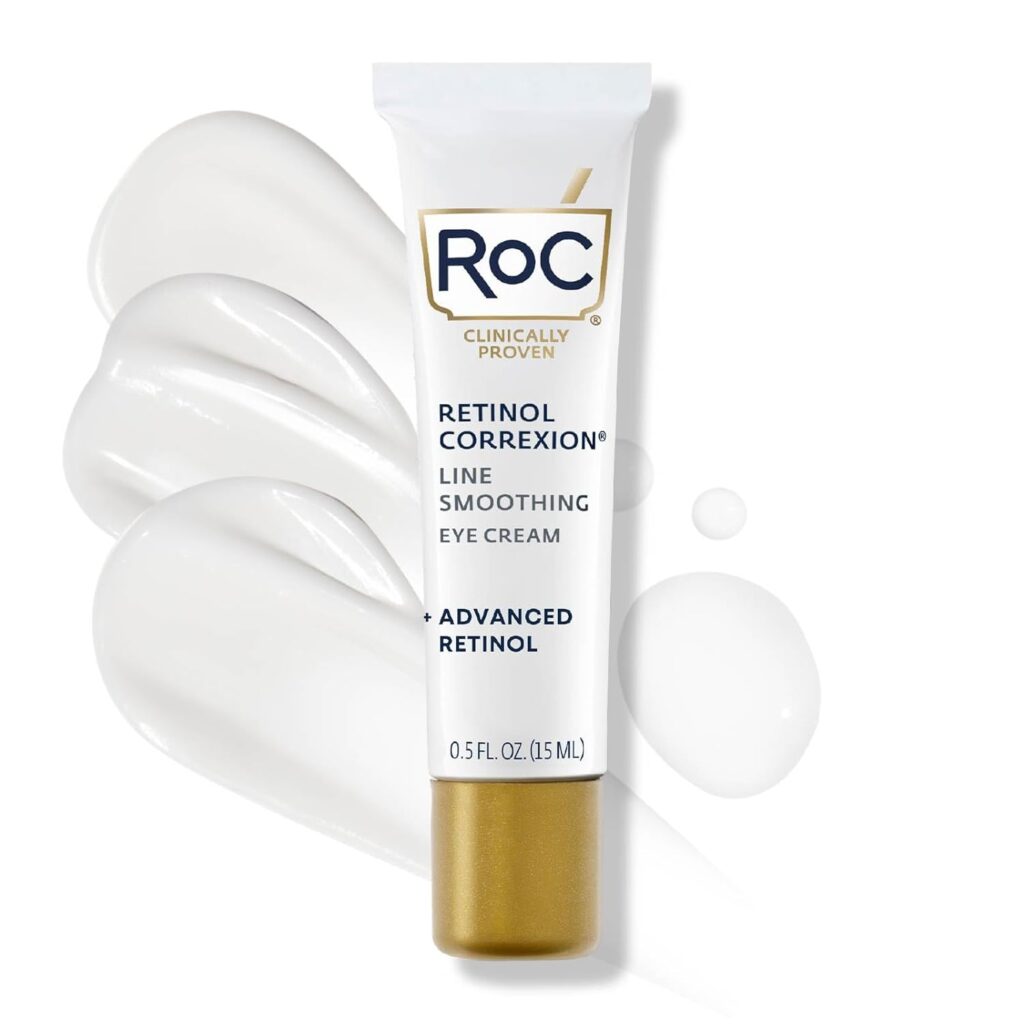
Clinical power for the under-eye area. Effectively targets puffiness and dark circles caused by cortisol-induced fluid retention and lack of sleep.
View on Amazon
Note: Retinol increases sun sensitivity. Therefore, apply this cream only at night. Moreover, always use a high-SPF protection the following morning to prevent irritation and protect regenerating skin.
6 Daily SPF:
Protect stressed skin with Use ISDIN Fusion Water MAGIC SPF 40 for a plumping effect with maximum protection and to prevent environmental damage.
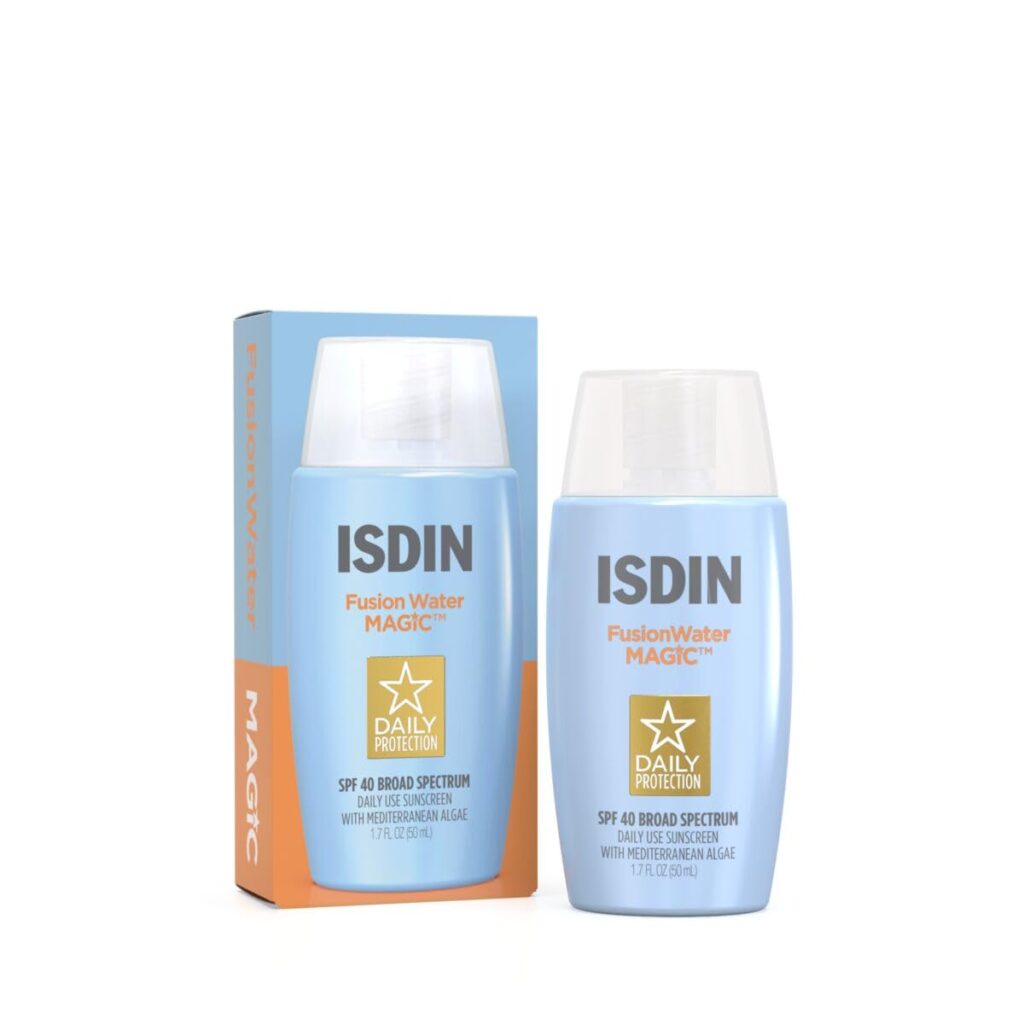
Ultralight, oil-free daily sunscreen. Enriched with Hyaluronic Acid and Vitamin E, it provides high UV protection while keeping the face hydrated and protected from photo-aging.
View on Amazon
How to Lower High Cortisol Symptoms: Nutrition & Supplements
A “Cortisol-Conscious” diet aims to stabilize blood sugar. Moreover, focus on Magnesium-rich foods (leafy greens, almonds), Omega-3s (salmon, sardines), and Vitamin C (kiwi, bell peppers) to support adrenal function.
Pharmacist’s Supplement Protocol
I have selected the most effective clinical supplements to help reset your stress response. Note: Always consult your physician before starting a new regimen.
| Supplement | Best Used For | Recommended US Product |
| Ashwagandha KSM-66 | Reducing anxiety and lowering serum cortisol. | Nutricost KSM-66 Ashwagandha |
| Magnesium | Calming the nervous system and improving sleep. | THORNE Magnesium Glycinate |
| Omega-3 (Fish Oil) | Reducing stress-induced inflammation. | Nordic Naturals Ultimate Omega |
| L-Theanine | Promoting relaxation without drowsiness. | NOW L-Theanine 100 mg |
| Rhodiola Rosea | Fighting mental and physical fatigue. | NOW Rhodiola 500mg |
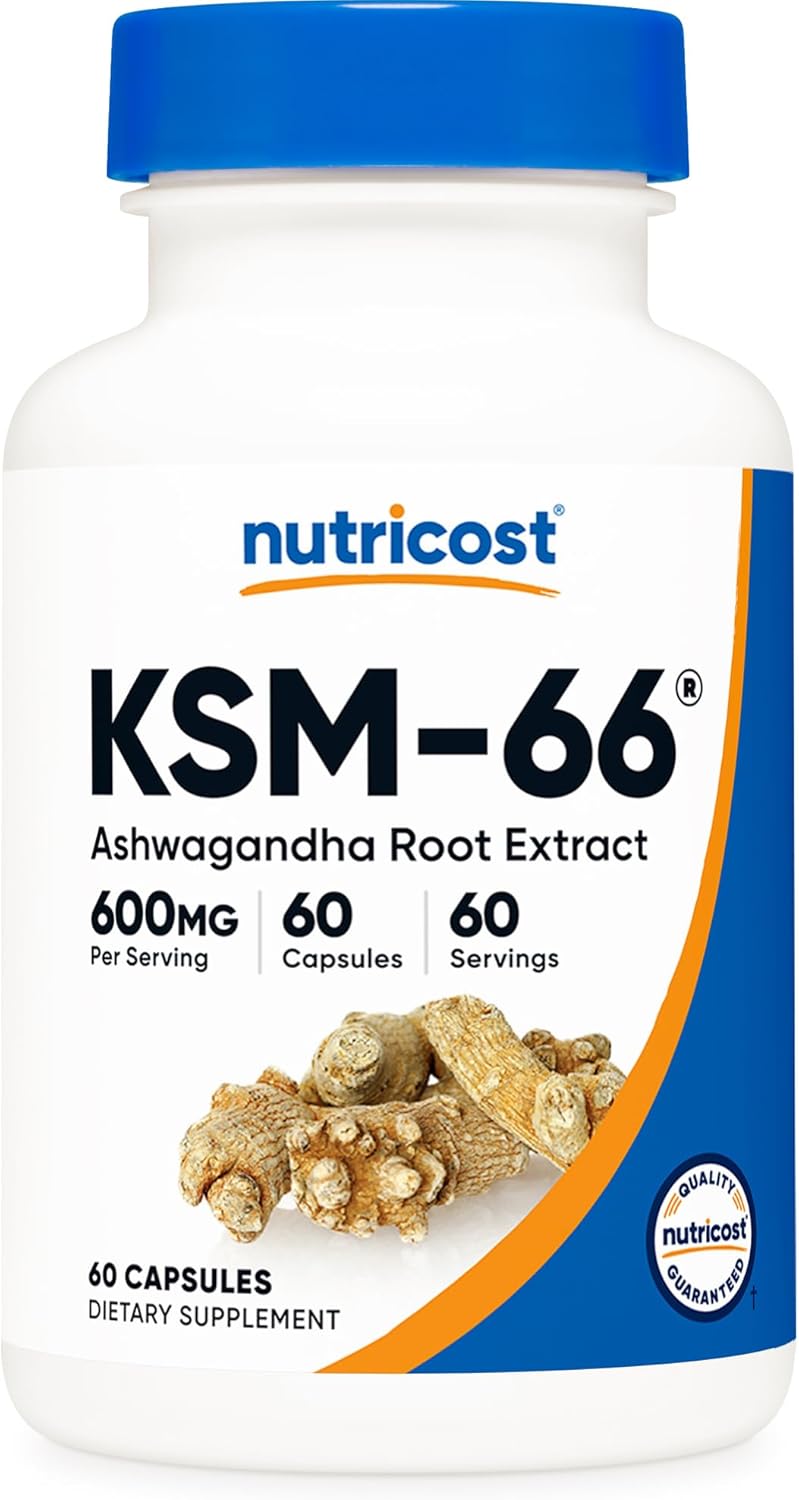
A high-potency adaptogen clinically proven to reduce serum cortisol levels. KSM-66 is the most studied extract of Ashwagandha; it helps reset the HPA axis (hypothalamic-pituitary-adrenal) to combat the biological effects of chronic stress and “cortisol face.”
View on Amazon
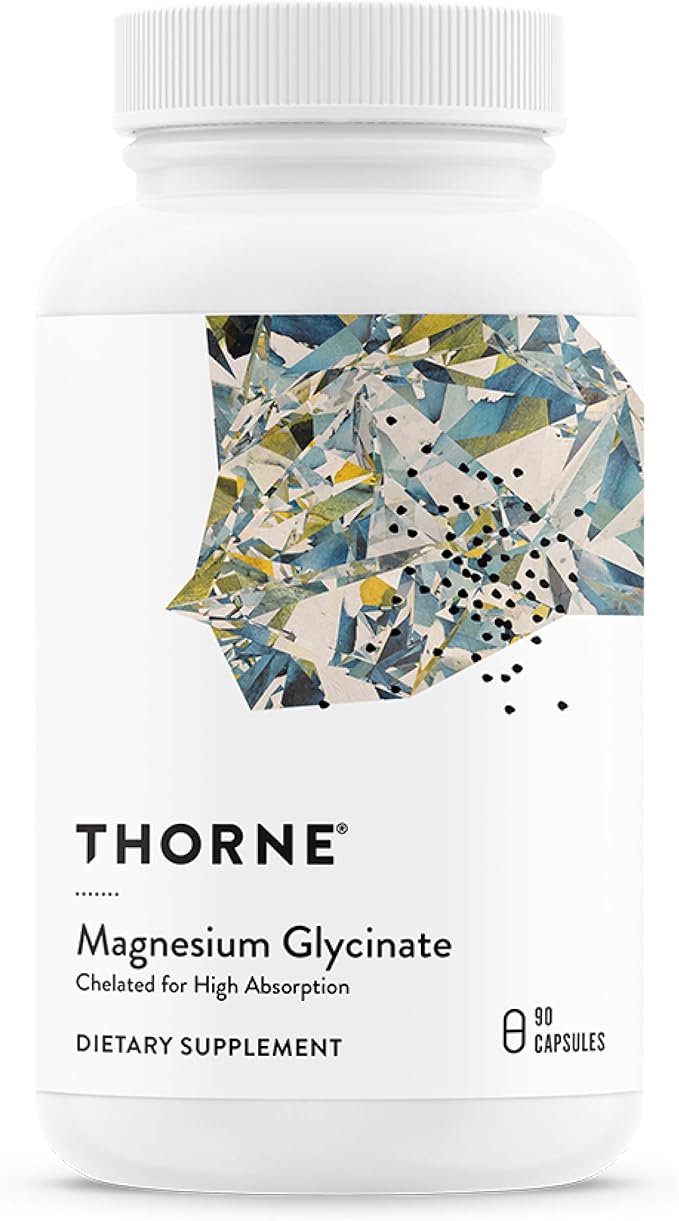
The clinical gold standard for cortisol management. Thorne’s bisglycinate form is highly bioavailable and works directly on the nervous system to dampen the stress response. I recommend this specific formula to help lower high cortisol symptoms like evening anxiety and muscle tension.
View on Amazon
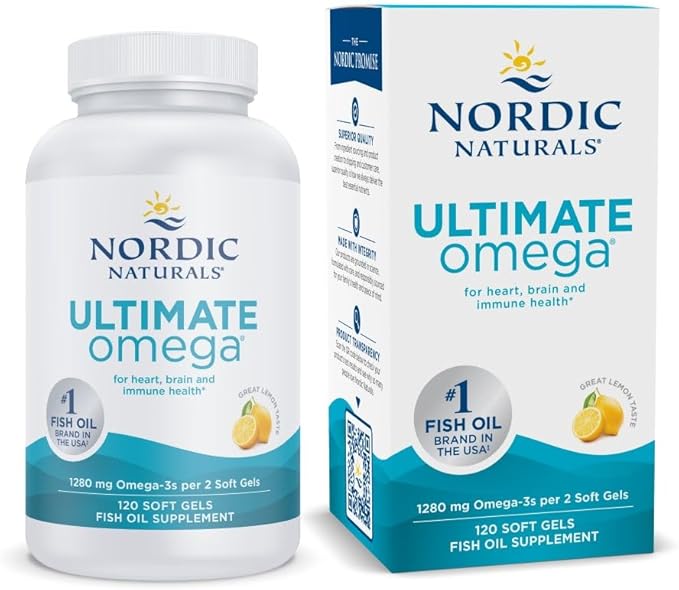
High-potency Omega-3 fish oil with EPA and DHA. Essential for cardiovascular health and maintaining skin moisture barriers during systemic metabolic changes.
View on Amazon
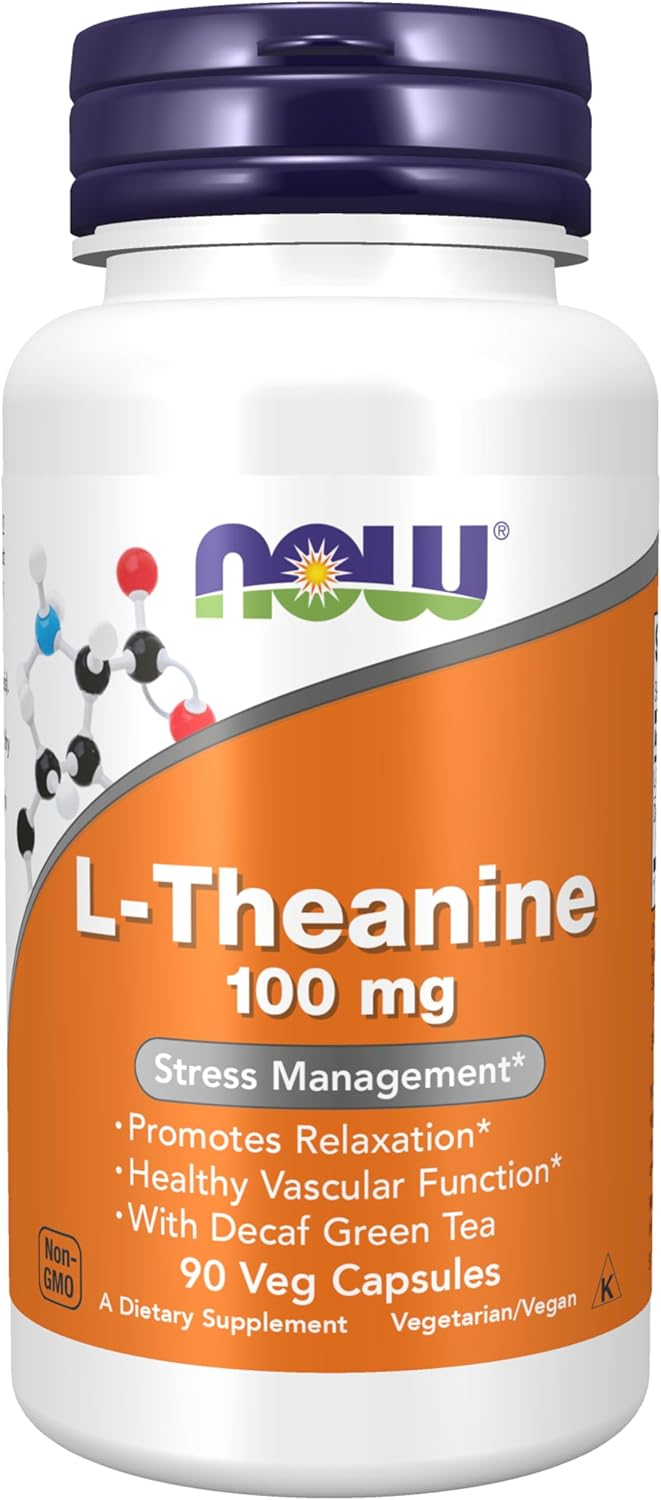
Promotes relaxation without drowsiness. This amino acid is a clinical staple for smoothing out the “jittery” feeling of high cortisol levels while keeping you mentally sharp.
View on Amazon
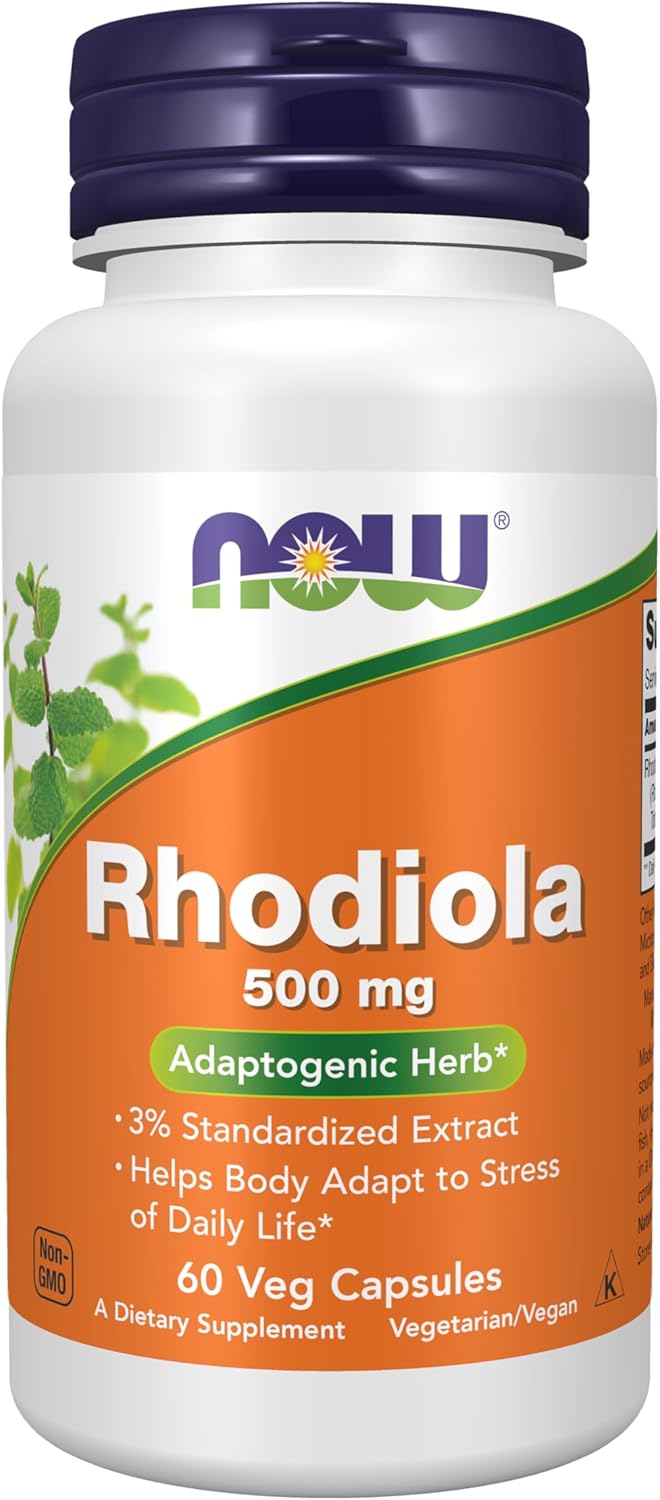
The perfect morning adaptogen. Rhodiola helps the body adapt to daily stress and fights the burnout associated with prolonged cortisol spikes.
View on Amazon
Daily Supplement Schedule
| Time | Supplement | Pharmacist’s Note |
| Morning | Rhodiola Rosea | Boosts energy and mental focus for the day ahead. |
| Lunch | Omega-3 Fish Oil | Take with a meal containing fats for best absorption. |
| Evening | Ashwagandha KSM-66 | Helps lower the daily stress spike and prepares the body for rest. |
| Bedtime | Thorne Magnesium | Improve deep sleep quality. |
Pharmacist’s Final Recommendations & Resources
Since experiencing high cortisol symptoms is often a result of chronic lifestyle pressure, physical relief must be paired with mental strategies. Consequently, I recommend practicing mindfulness and 7-8 hours of quality sleep to reset your biological clock. To further explore the synergy between minerals and stress relief, read my dedicated guides:
👉 Best Magnesium for Sleep and Anxiety: The Pharmacist’s Clinical Guide
👉 Ashwagandha Dosage Guide: A Pharmacist’s Stress Protocol
About the Author: Dr. Marco Rollo, PharmD

I am Dr. Marco, a Licensed Pharmacist committed to bridging the gap between pharmaceutical precision and natural healing. Every protocol on this site is designed to help you regain metabolic balance and achieve lasting wellness through evidence-based science.