
When dealing with acid reflux and heartburn, choosing between Pepcid vs Prilosec can be confusing. While both treat similar symptoms, they belong to different classes of medication and work through distinct biological mechanisms. Understanding these differences is the key to finding fast relief without wasting money on the wrong treatment.
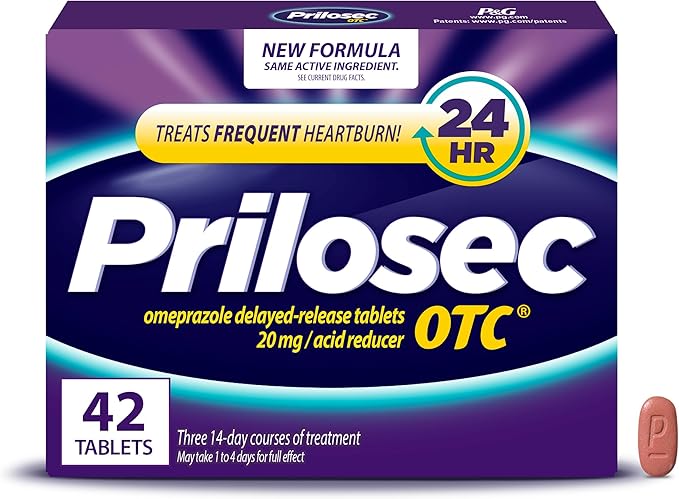
The ideal standard for frequent heartburn (2+ days a week). As a Proton Pump Inhibitor (PPI), it blocks acid production at the source for 24 hours. Note that it takes 1 to 4 days for full therapeutic effect.
View on Amazon
Perfect for rapid, on-demand relief. This H2 blocker acts within one hour to prevent or treat occasional heartburn triggered by specific meals, delivering fast protection that lasts 8 to 12 hours.
View on Amazon
Understanding the Difference: H2 Blockers vs. PPIs
Pepcid is an H2 blocker, a class of medication that works by blocking histamine receptors in the stomach to reduce acid production. It is designed for rapid action, typically providing relief within 30 to 60 minutes, and is ideal for occasional heartburn triggered by a specific meal.
On the other hand, Prilosec is a Proton Pump Inhibitor (PPI). It belongs to a family of drugs that includes esomeprazole and omeprazole, which work by shutting down the enzyme system (the “pumps”) that produces stomach acid. While Prilosec offers stronger and longer-lasting relief (up to 24 hours), it is a slow-acting medication that can take 1 to 4 days to reach its full effect. It is specifically indicated for frequent heartburn occurring two or more days per week.
It is also important to note that Zantac (now reformulated with famotidine) and Pepcid are essentially the same in terms of active treatment for acute symptoms.
Pharmacist Tips: Pepcid vs Prilosec Safety and Synergy
Both medications are generally safe for a 14-day self-treatment cycle. If your symptoms persist beyond two weeks, you must consult a physician to rule out underlying conditions and avoid side effects. Long-term use of PPIs like Prilosec can lead to nutritional deficiencies, specifically in Vitamin B12 and calcium, which may increase the risk of bone fractures.
To manage these risks and maximize your relief, follow these pharmacist-verified protocols:
Combatting Constipation:
If these medications affect your regularity, I recommend using Metamucil to maintain healthy fiber levels.
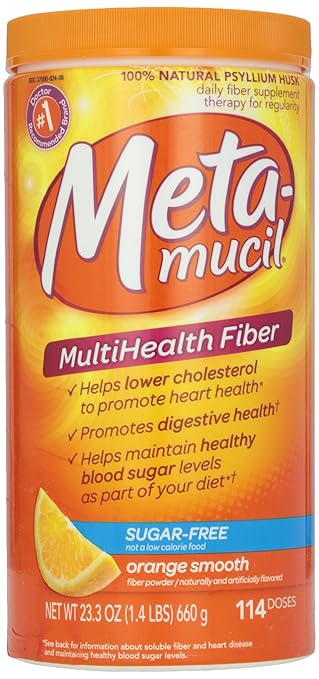
If your acid reflux therapy triggers sluggish bowels, Metamucil is an ideal choice. This premium Psyllium fiber naturally restores healthy digestion and regularity without causing any gastric irritation.
View on AmazonNutritional Support:
To prevent vitamin depletion, supplement with a high-quality B-Complex. To protect bone health during extended PPI use, ensure adequate Vitamin D intake (refer to my Vitamin D Dosage Guide for safe levels).
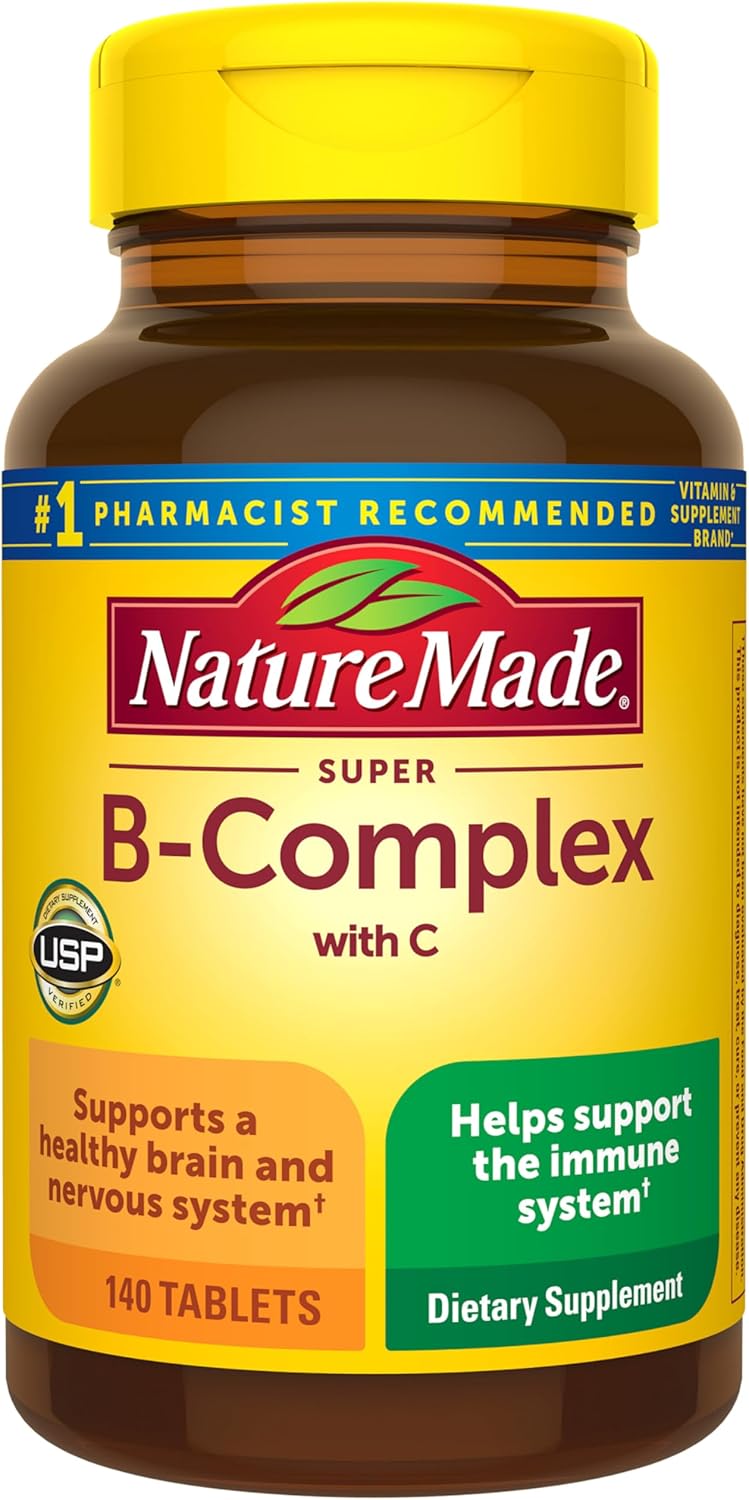
Long-term PPI use like Prilosec can decrease critical Vitamin B12 absorption. This high-potency complex helps maintain baseline cellular energy and protects against drug-induced nutritional gaps.
View on Amazon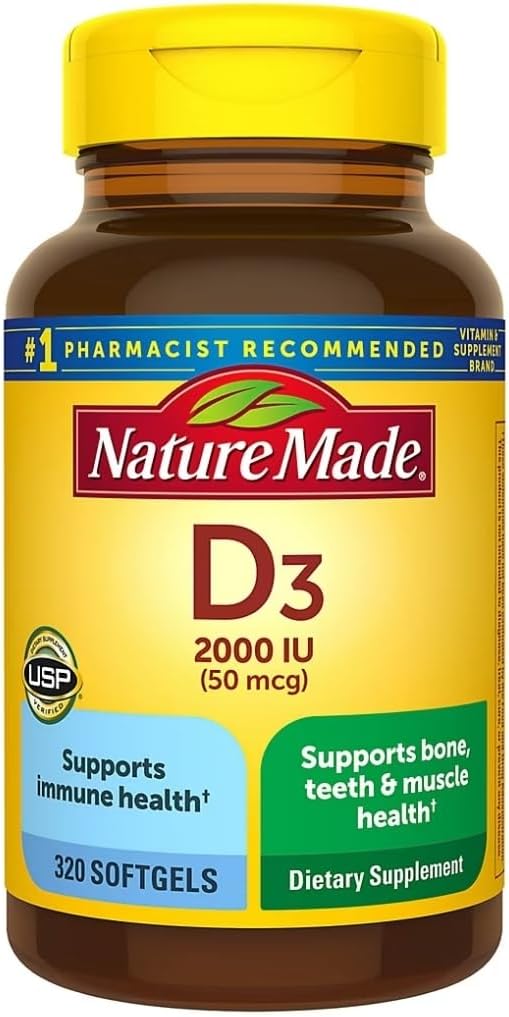
A vital safeguard during chronic antacid therapies. Vitamin D3 maximizes proper calcium absorption, counteracting the bone density risks linked to continuous gastric acid suppression.
View on AmazonAdvanced Reflux Relief:
For chronic gastric reflux, you can achieve superior results by pairing your acid reducer with Gaviscon Advance tablets and Aloe Vera juice to soothe the esophageal lining.
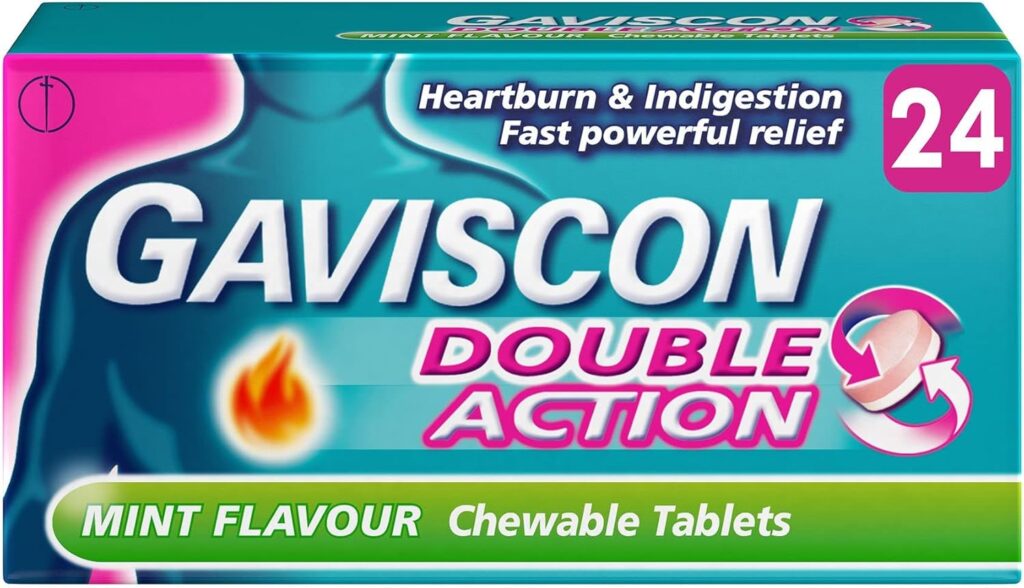
While Pepcid or Prilosec suppress stomach acid production, Gaviscon forms a physical raft layer over stomach contents. This immediate barrier mechanically blocks acid reflux from escaping into the esophagus after meals.
View on Amazon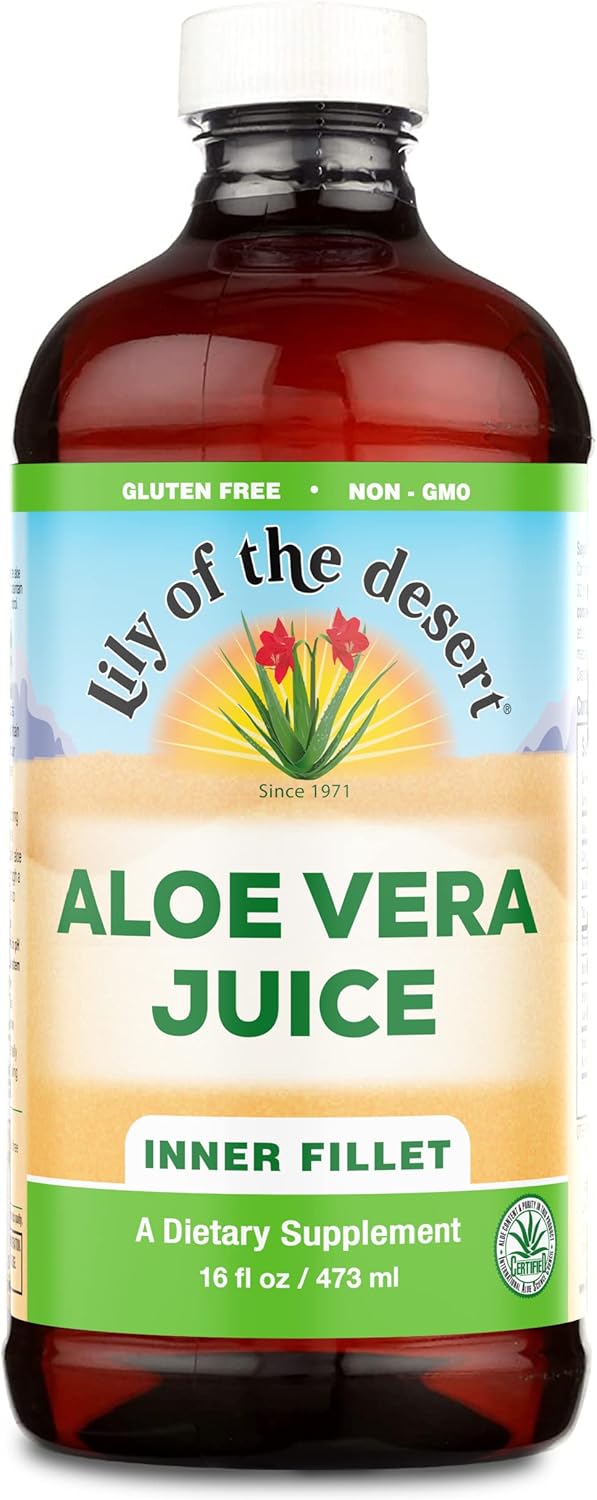
A natural, premium botanical balm that rapidly coats and calms acid-irritated mucous membranes. I highly recommend taking it at bedtime to soothe esophageal tissues and promote healing during sleep.
View on AmazonDigestive Support:
If your reflux is linked to poor digestion or a “heavy” stomach, adding NOW Super Enzymes before meals can help break down food effectively.
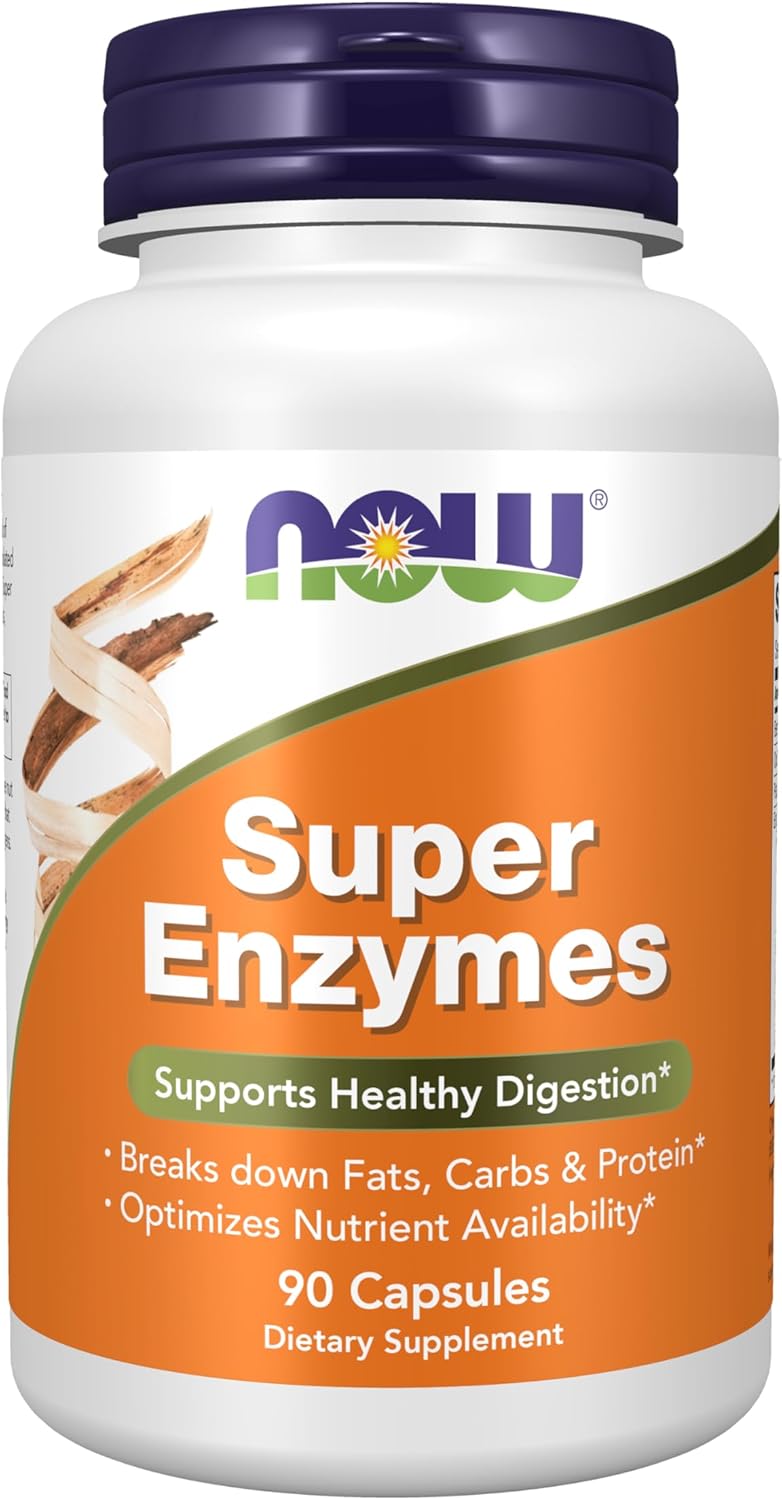
Acid reflux is frequently triggered by sluggish digestion. This targeted blend of Bromelain, Ox Bile, and Pancreatin efficiently breaks down fats and proteins, preventing the gastric stagnation that forces acid upward.
View on AmazonFor detailed instructions, follow my full Pepcid Dosage Guide and Prilosec & PPI Dosage Guide.
Clinical Protocol: Acid Reflux & Indigestion
Use this table as a daily schedule to manage chronic acidity and promote healthy digestion.
| Time of Day | Supplement/Medication | Purpose |
| Morning (30-60m before breakfast) | Prilosec | Strong, 24-hour acid block; must be taken on an empty stomach. |
| Before Meals | NOW Super Enzymes | Optimize nutrient availability and support healthy digestion. |
| After Meals | Gaviscon Advance | Create a physical barrier (raft) to prevent acid reflux. |
| Evening | Aloe Vera Juice | Soothe and promote healing of the digestive tract overnight. |
Conclusion
Choosing between Pepcid and Prilosec depends on the frequency and timing of your symptoms. Use Pepcid for immediate, occasional needs and Prilosec for frequent, chronic management. By combining these with supportive supplements like Aloe and enzymes, you can finally reclaim your digestive health.
About the Author: Dr. Marco Rollo, PharmD

As a licensed pharmacist, I specialize in explaining the clinical differences in Pepcid vs Prilosec, providing accurate dosage charts and supplement protocols. My goal is to ensure you use both OTC and prescription medications safely and effectively.